A photo series can explore a place, a process or recurring forms. To hold together, it needs a recognizable question. “An afternoon in a workshop” is more specific than “beautiful photographs.” That boundary helps you decide which image adds something and which merely repeats an existing statement. Consistency does not mean that every composition must look identical.
Establish recurring decisions
Choose a few suitable constants before shooting. These might include similar distance, predominantly natural light or a limited colour palette. A series of doors benefits from comparable angles; a story about a market may need changing viewpoints. Constants should support the content rather than force every new situation into the same form.
Record individual actions and details alongside overviews. In the workshop, these might be the room, work at a bench and the material being shaped. Those pictures have different jobs. Three almost identical views of the same bench usually provide less information, even when each succeeds individually.
View the selection as a sequence
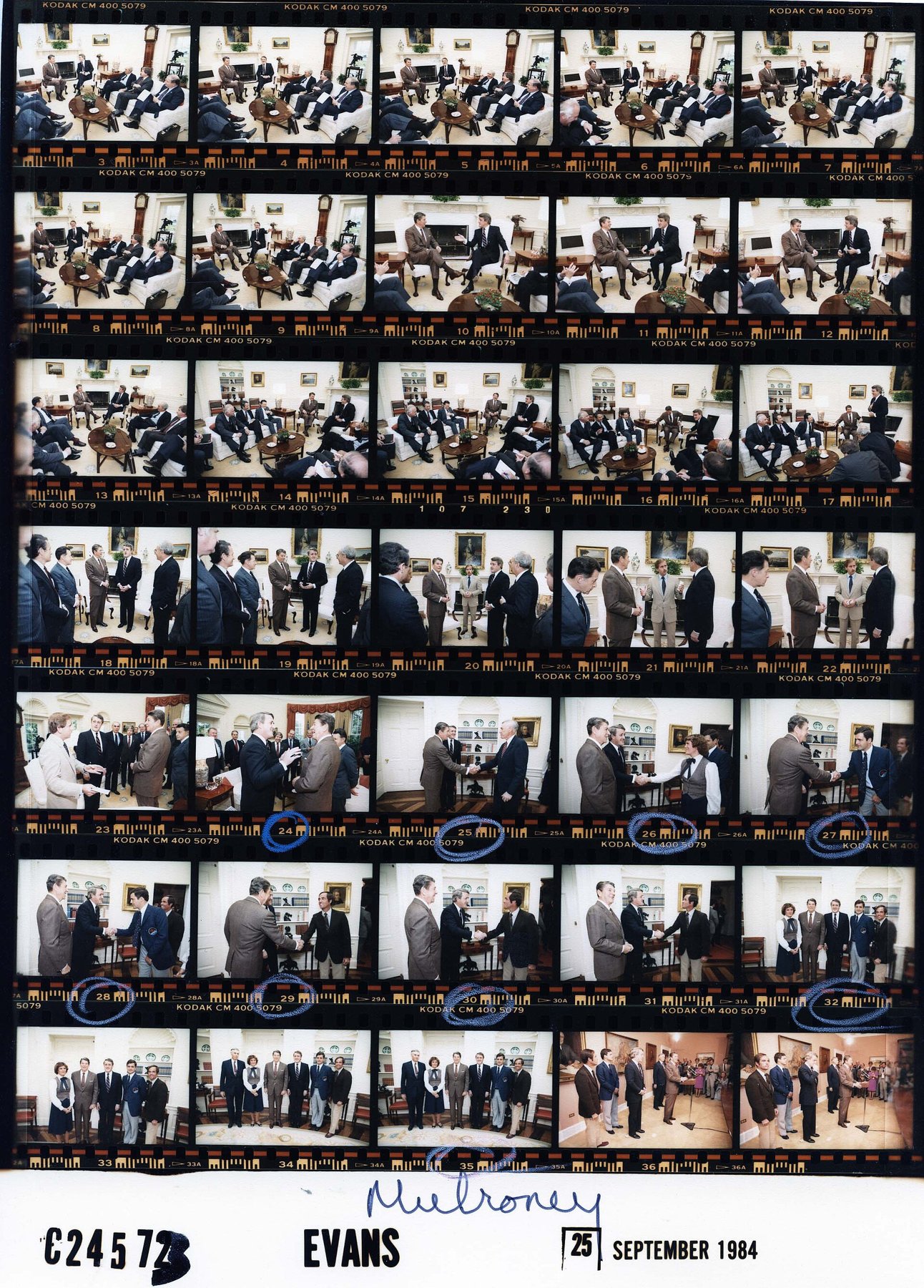
Place small previews beside one another and inspect transitions. A distant view after a tight detail can provide orientation or feel abrupt. Change the order and observe what becomes clearer. Temporarily remove a photograph: if neither information nor useful rhythm disappears, the series may not need it.
Check that the strongest individual photograph does not become an outsider. A dramatic night frame can interrupt a quiet daytime sequence even if it is impressive alone. Show it separately or deliberately extend the series to the change of day, provided enough relevant photographs support that new idea.
Compare editing rather than copying blindly
A shared colour feeling helps, but identical slider values are not a reliable target. Different light needs different corrections. Compare skin, neutral surfaces, shadows and contrast together. Export a trial at the intended size and view the entire sequence. A bright edge or strongly saturated colour may become more distracting in the series than in a photograph opened alone.