When photographing artwork, the work itself usually needs to remain visible rather than your lighting. Glare on varnish, glass or textured paper can conceal colour and detail. Align artwork and camera first, then inspect illumination across the entire surface. A bright central patch cannot reliably be removed by globally reducing exposure.
Geometry and even light
Position the camera as centrally as possible with the sensor plane parallel to the artwork. Check that opposite edges appear parallel and corners sit evenly in the frame. A tripod makes small adjustments easier. Leave some border so later cropping does not remove part of the work.
In your own setup, two similarly strong diffused sources from the sides can help illuminate the surface evenly. Commonly used oblique lighting is a starting point, not a guaranteed reflection-free angle. Surface texture also matters. Move the sources and inspect corners as well as centre. Mixed daylight and artificial light can create unwanted colour differences.
Distinguish glass from surface texture
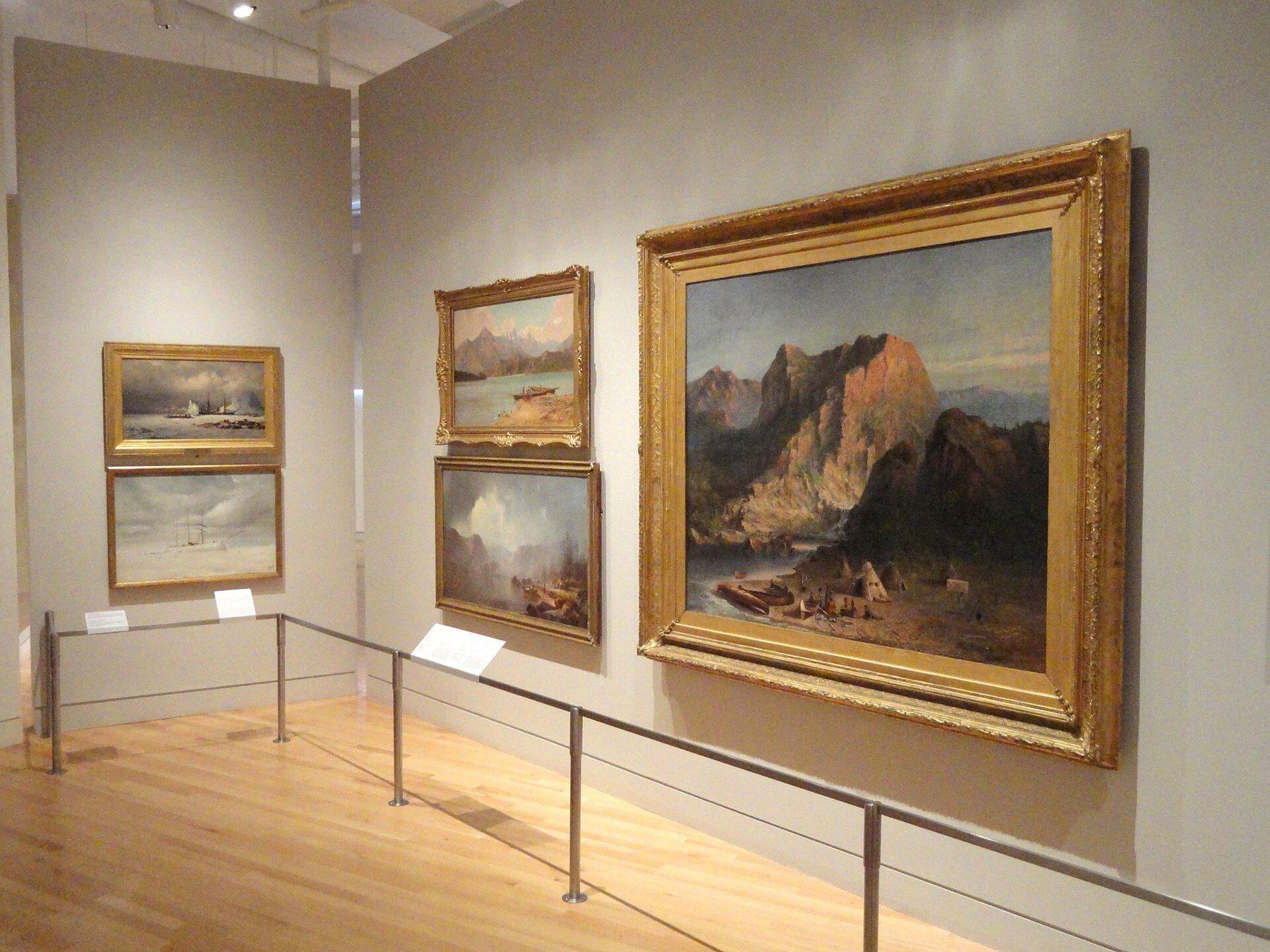
Glass in front of a work may reflect the room and camera. Dark surfaces behind the camera and switching off unnecessary lamps can help. For your own work, photographing before framing is often easier. In an exhibition, do not alter frames or lighting; follow the venue’s photography conditions and seek an allowed better position.
For heavily textured painting, side light can reveal raised areas. The same lighting may create too many shadows for colour reproduction. Consider an evenly lit overall capture plus a separate surface detail. One image does not need to emphasize every colour and every relief edge maximally at once.
Check colour and detail
When needed, photograph a suitable colour or neutral reference under the same light and remove it for the final frame. Check focus in centre and corners and detail in pale colours. Avoid strong automatic contrast and saturation effects when descriptive reproduction is the aim. Compare the result with the original under suitable viewing conditions and retain the unedited file for later adjustments.