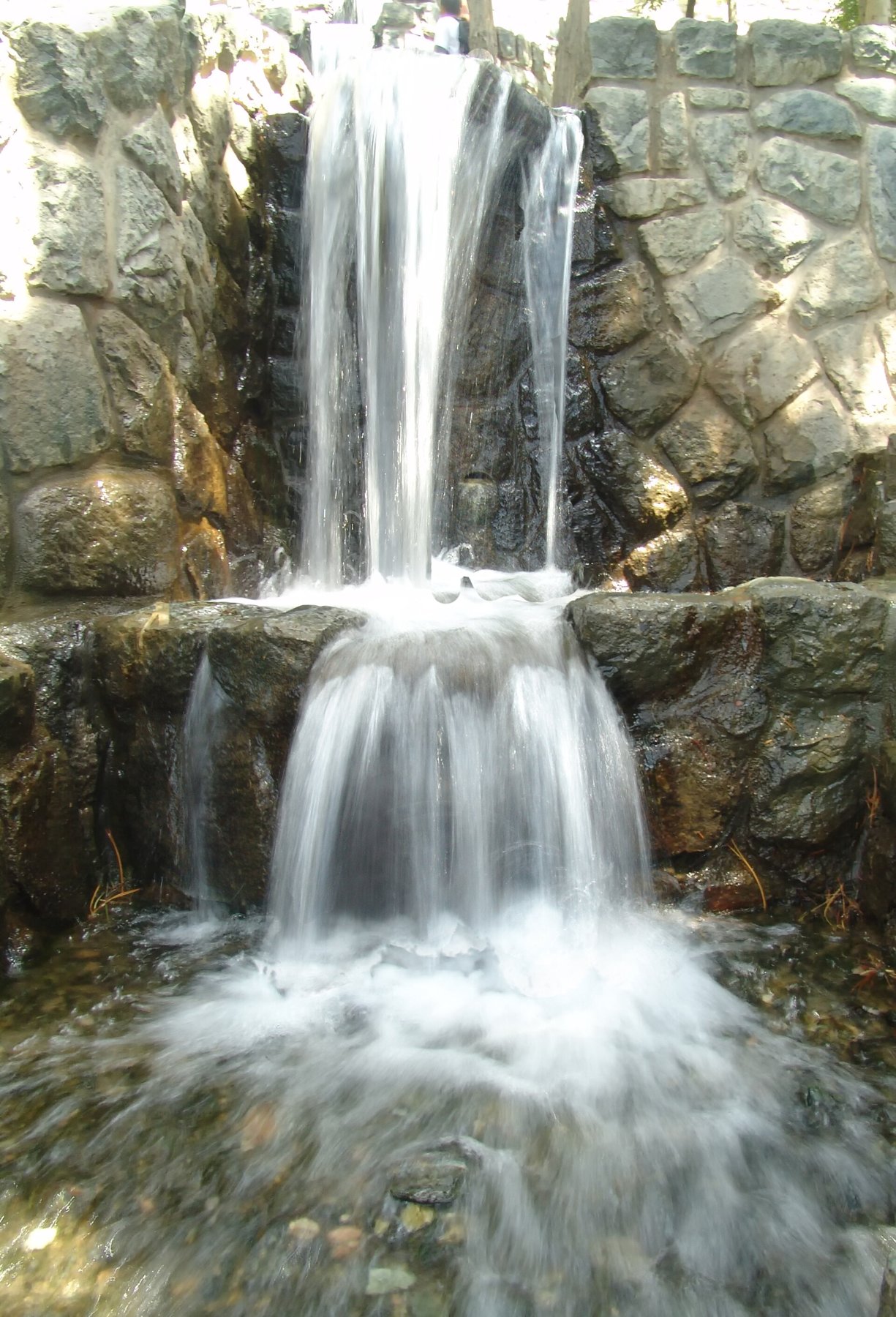
There is no single correct shutter speed for a waterfall. A powerful fall can show trails at a relatively short exposure, while a slow stream needs longer. Decide whether to emphasize energy, flow direction or calm. Compare several times from the same safe position before committing to the familiar completely silky appearance.
Three different appearances of water
A short time such as 1/1000 second can emphasize spray and individual droplets. Intermediate times, perhaps 1/15 to 1/4 second as a trial range, reveal movement while retaining some water texture. Exposures lasting several seconds combine many changing forms into softer areas. These are starting points; distance, framing and flow change the effect.
Watch white water especially carefully. If it already glows without detail, a longer exposure cannot create extra texture. Adjust aperture, ISO or filtration so brightness stays similar during the time comparison. Otherwise you are comparing movement and exposure simultaneously, making differences harder to interpret.
Still surroundings provide contrast
Longer exposures require firm camera support. A sharp rock or tree trunk makes the water’s movement readable. Check leaves and grass, however: wind may blur them too and undermine the intended calm. A tighter view of water and rock can be clearer than a wide scene with many moving edge details.
Choose a position without risky climbing on wet surfaces. Regularly check the front element for spray. Small droplets can change contrast and highlights even when barely visible in the viewfinder. A sheltered position with a somewhat longer lens can simplify capture and keep equipment drier.
Use a filter for a clear purpose
If low ISO and a sensible aperture still admit too much light for the desired time, a neutral-density filter can help. A polarizer may alter some reflections on wet surfaces, but it is a different tool. Rotate it and check whether shine adds interest to rocks or obscures them. Keep at least one version with recognizable water texture before extending exposure further and further.