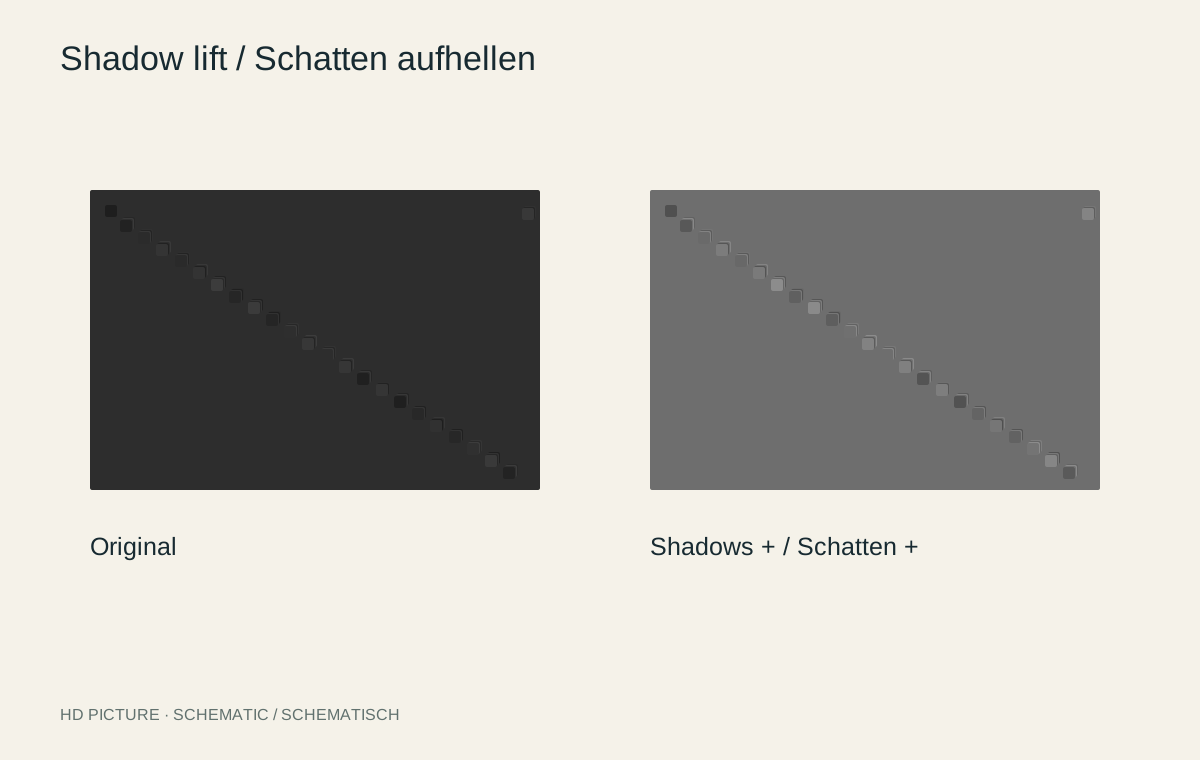
A shadow is not automatically a fault. It describes shape, lighting direction and separation between objects. Lifting every dark area to middle grey can make a picture look flat. A better question is which information needs to become visible. For a person beneath a porch, the face may matter while the dark doorway behind can remain dark.
Identify the area that matters
Assess the whole photograph first. If everything is too dark, an overall exposure adjustment may help. If the bright areas already look right, start with the shadow control or a local adjustment. Watch a specific area, such as eyes beneath a hat, rather than responding only to a brighter overall preview.
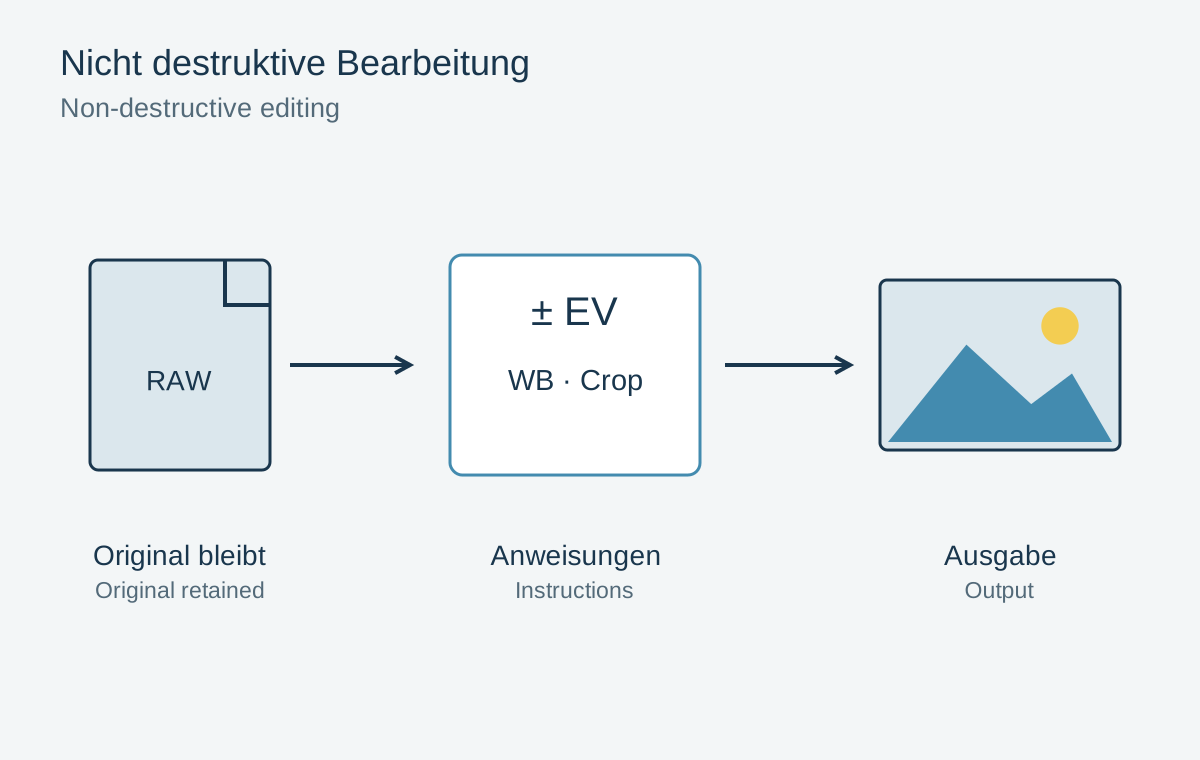
Enlarge that area after the initial adjustment. Shadows can contain colour blotches, coarse grain or banding that previously went unnoticed. A RAW file often offers more editing flexibility than a heavily compressed JPEG, but it does not contain unlimited useful tonal information.
Keep some tonal separation
Lift only enough to reveal the information you need. A black jumper should not automatically turn grey merely because you want to see its folds. Compare it with surrounding surfaces and retain some deeper shadows between folds. This preserves the impression of the material.
A soft mask can brighten a face without washing out the entire background. Check hair, ears and the transition to the neck. An overly tight selection produces a bright cut-out head; an overly broad one makes the surroundings glow. Consider reducing the adjustment rather than making the mask increasingly complicated.
Judge noise in the final output
Strong noise reduction can smooth away the details you have just revealed. Balance the two operations and inspect the photograph at its intended output size. Something distracting at extreme screen magnification may not matter in a small print. Conversely, waxy faces can look unnatural even in a modest preview.
If the shadows contain no useful information, accept a darker interpretation. For a future photograph, change position, make different use of available light or use a reflector for a stationary subject. This improves the recorded signal rather than mostly amplifying its defects later.