A photograph behind acrylic can appear vivid and dimensional, but is not simply an ordinary print in a removable glass frame. Depending on the product, the image is permanently bonded to acrylic and a backing panel. That construction affects weight, care and future replacement options. Check the actual build rather than only the material name.
Distinguish direct printing from a mounted print
A product may use directly printed material or a photographic print mounted behind it. WhiteWall, for example, describes its acrylic products as photographic or fine-art prints between acrylic and an aluminium-composite backing rather than direct glass printing. Other products may differ.
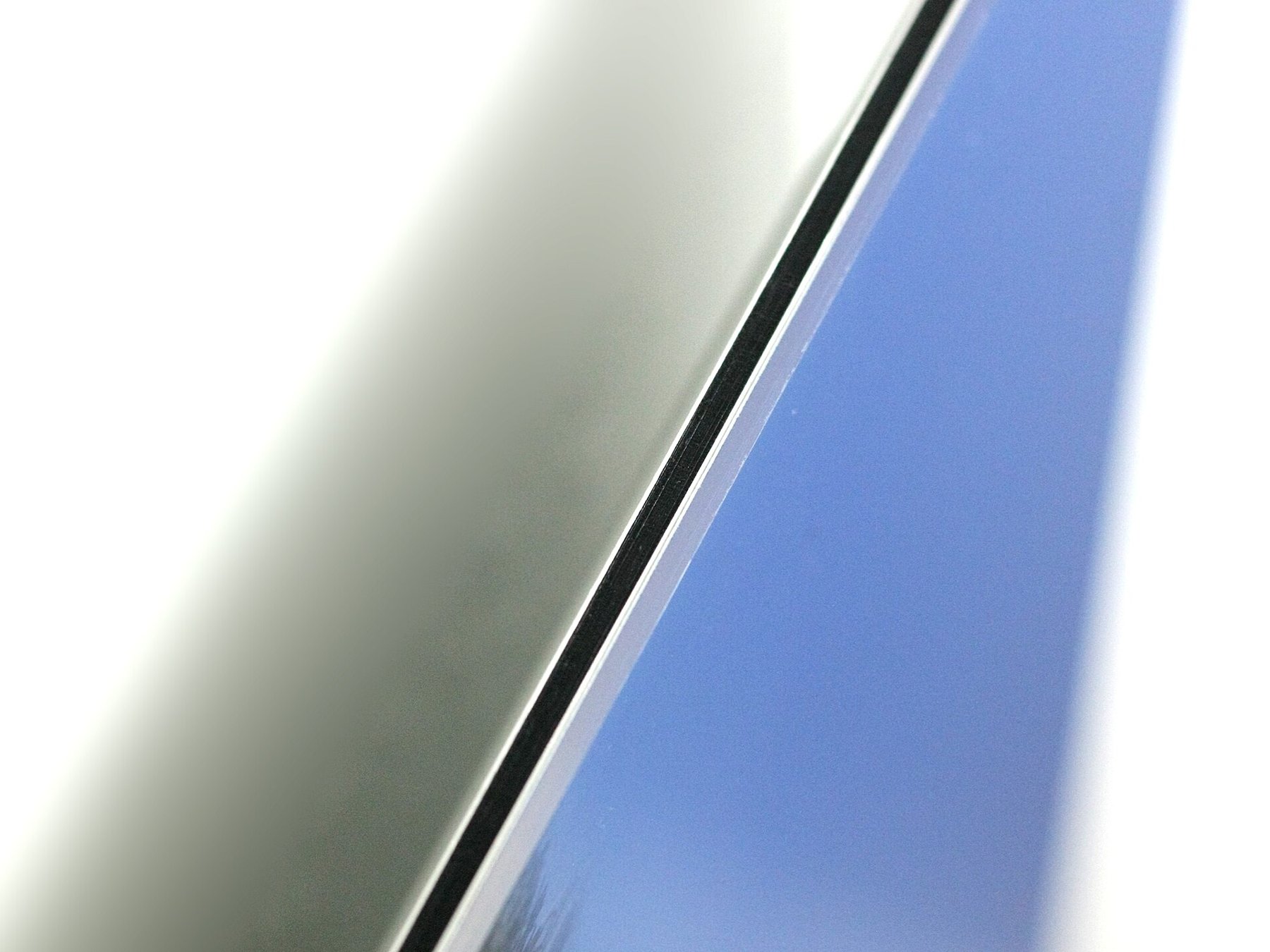
Compare paper, surface finish and acrylic thickness. Greater thickness does not automatically mean better image quality; it changes the visible edge and presentation among other things. A small material sample helps assess those properties. Examine edge finishing if the picture will hang without an outer frame.
Include the room in the choice
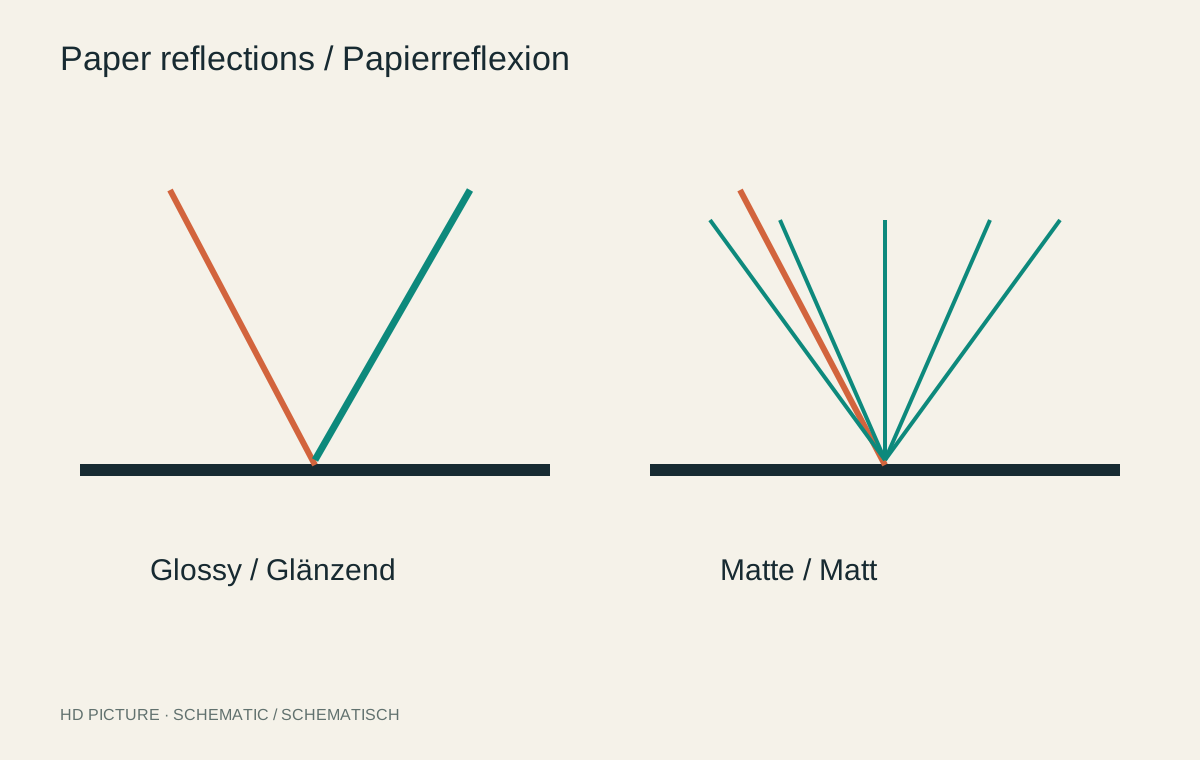
Glossy fronts can reflect windows, lamps and the viewer. Test the position with a sample and move through the normal viewing area. Large dark regions often make reflections particularly noticeable. A matte variant behaves differently, but should also be assessed in place.
Plan weight and attachment according to the actual product specifications. A large panel requires a suitable wall and appropriate fixings. Check wall clearance and how the picture can later be removed safely. A small ordering preview does not answer these questions.
Do not treat care as ordinary window cleaning
Unsuitable chemicals or rough cloths can damage acrylic. Follow the manufacturer’s care instructions. WhiteWall explicitly advises against glass cleaners for its mounted acrylic products. Do not spray cleaning liquid near edges or the rear without checking suitability.
Choose an appropriate dry location and verify approval for unusual rooms. An apparently sealed surface does not automatically mean suitability for humid bathrooms or direct heat. Retain the image file and order details, since a bonded product generally cannot be updated simply by replacing a loose paper print as in an ordinary frame.