“Photo on aluminium” does not describe one single product. It may mean a directly printed composite panel, a mounted paper print or another coated-metal process. White-coated and brushed-metal surfaces also look different. Before choosing a photograph, establish which parts of the material remain visible in the finished image.
Identify the image layer
For a mounted photographic print, the paper surface remains central to appearance; the panel mainly supplies rigidity and presentation. With direct printing, the printed surface itself plays a larger role. A product name containing “Metal” does not identify the process.
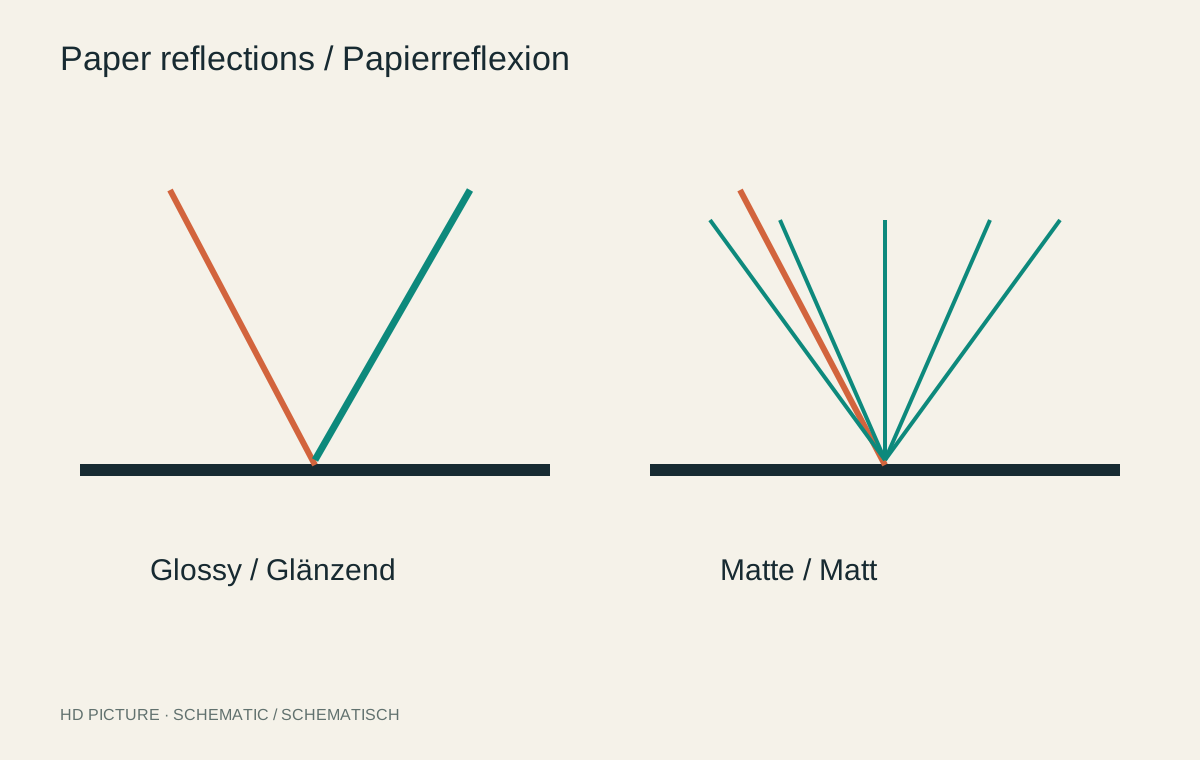
Ask for a material sample and a clear construction description. Compare matte, glossy and brushed variants under the same light. A conspicuous metallic effect may suit technical subjects but create unexpected skin and white tones in a natural portrait.
Inspect bright subject areas carefully
In some brushed products, the metal remains visible in bright areas or regions without a white underprint. Read the specific description: not every process treats white alike. A white shirt, snow or a pale wall can consequently look different from ordinary paper.
Choose a proof containing bright areas, dark details and skin or another familiar material colour. This reveals more than a highly saturated sample image. Inspect oblique viewing angles as well, since appearance can change with the light.
For several pictures displayed together, use the same process when you want a coherent appearance. One brushed image among white-coated panels may reflect very differently. That can be a deliberate design choice, but should not become an unexpected discovery only when the pictures are hung.
Match mounting and care to the product
Check external dimensions, weight, rear mounting and wall clearance. A rigid panel can still have vulnerable edges or a scratch-sensitive image layer. Do not place it face down on an unprotected table while unpacking.
Do not infer suitability for humidity or outdoors from the word aluminium. Adhesives, coatings and hanging hardware are also part of the system. Follow the specific product guidance and recommended cleaning methods. Keep a print file without simulated framing and retain product details so later additions to the series remain consistent.