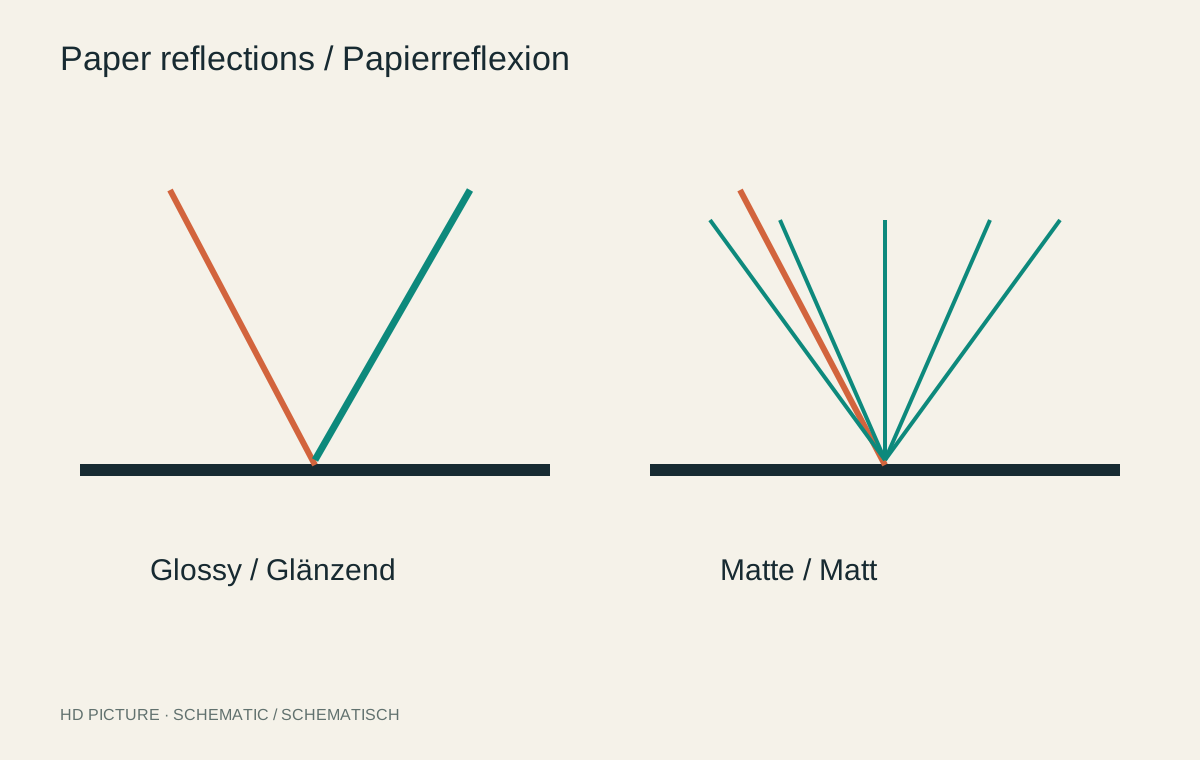
Frame glazing is often described using terms such as anti-reflective, UV-protective and museum glass. These do not mean the same thing. Glazing can reduce reflections without providing the desired UV filtering, or filter UV while still reflecting noticeably. Check specific product properties rather than relying on a broad label.
Test light at the display location
View a sample over both dark and bright image areas. Place it under lighting similar to the final display. A reflection barely visible on a pale sample may distract over a dark night photograph. Walk past it at an angle as well.
Some surfaces diffuse reflections, while others reduce them through coatings. Perceived clarity can change with distance from the picture and viewing angle. Compare a complete small framing arrangement rather than only a loose sheet lying directly on paper.
Ask for the exact product name and care requirements during comparison. Similarly named sheets may differ in coating and UV performance. A written product name is more useful later than remembering that it was the expensive or particularly clear option.
Choose glass or acrylic for the situation
Acrylic can reduce weight in larger formats and behaves differently from ordinary glass when damaged, but needs appropriate cleaning and may be more vulnerable to scratches or static depending on the product. Coated variants have their own properties. Glass also comes in different qualities and weights.
The choice depends on size, transport, mounting and the material being framed. A large work transported frequently has different needs from a small permanently displayed photograph. Use the specific product information and seek informed framing advice for fragile originals.
UV filtering does not replace a suitable location
UV-filtering glazing can reduce part of the damaging radiation, but does not make a photograph indefinitely lightfast. Visible light and display duration also matter. Direct sunlight is therefore not harmless for sensitive pictures merely because protective glazing is present.
Use appropriate framing to separate the photograph from the glazing. Follow cleaning instructions, especially for coated surfaces. Do not spray cleaner indiscriminately into an assembled frame. Record which glazing was used so later care and additions are based on information rather than guesses.