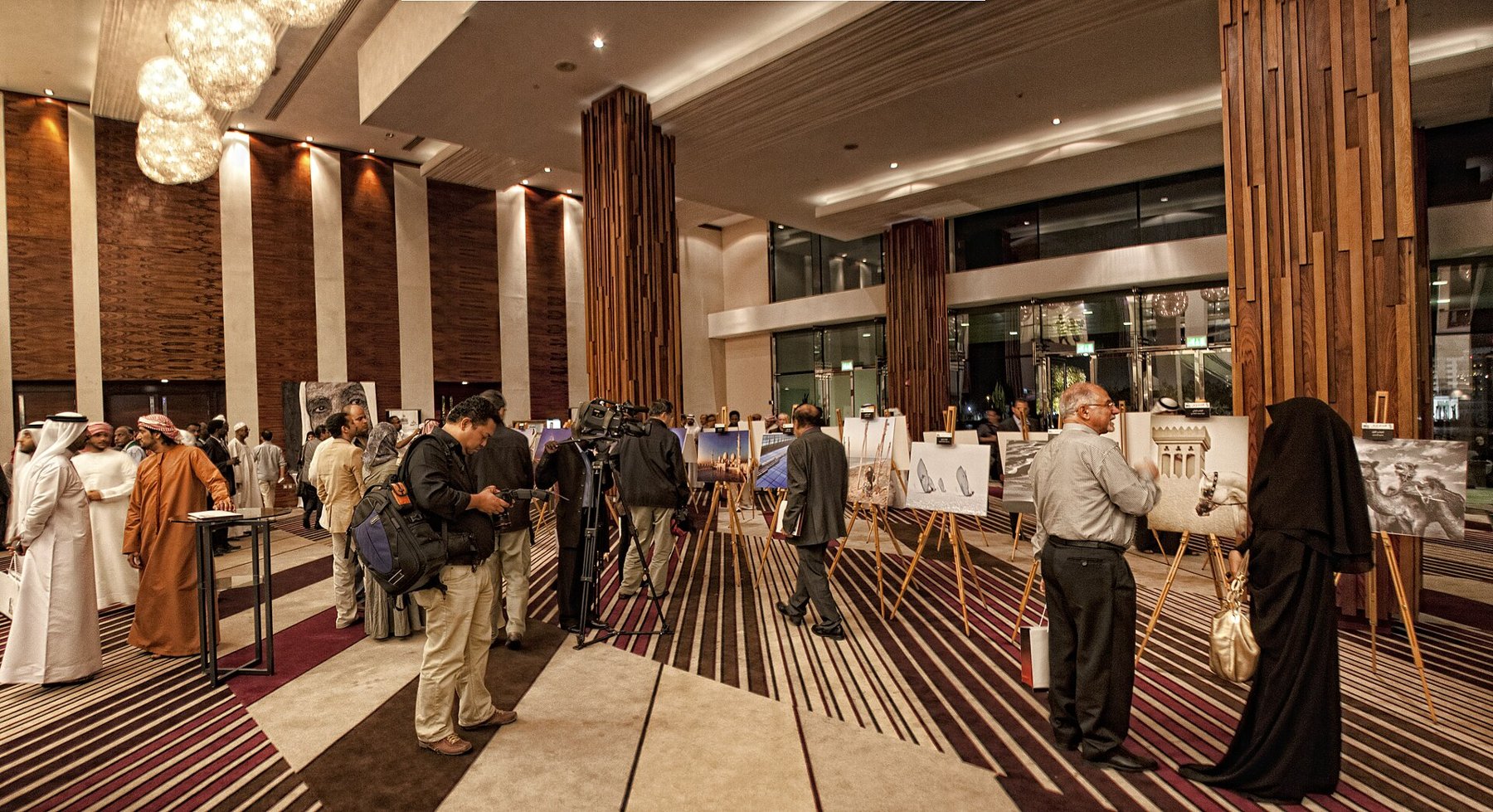
A large photograph is usually viewed differently from a small album print. From several steps away, composition and broad forms dominate; up close, individual textures become visible. Suitable resolution therefore also depends on use. One blanket value for every print may impose unnecessary requirements or underestimate important details.
Inspect the location before ordering
Mark the planned external dimensions on the wall with paper. Stand where the picture will normally be seen: beside the sofa, in a passage or across a table. In a narrow corridor, a very large picture may be hard to take in. Above broad furniture, a small one may appear lost.
Remember that people sometimes move closer. A landscape containing small readable signs then needs different detail quality from a soft abstract photograph. Normal distance matters, but does not excuse obvious artefacts.
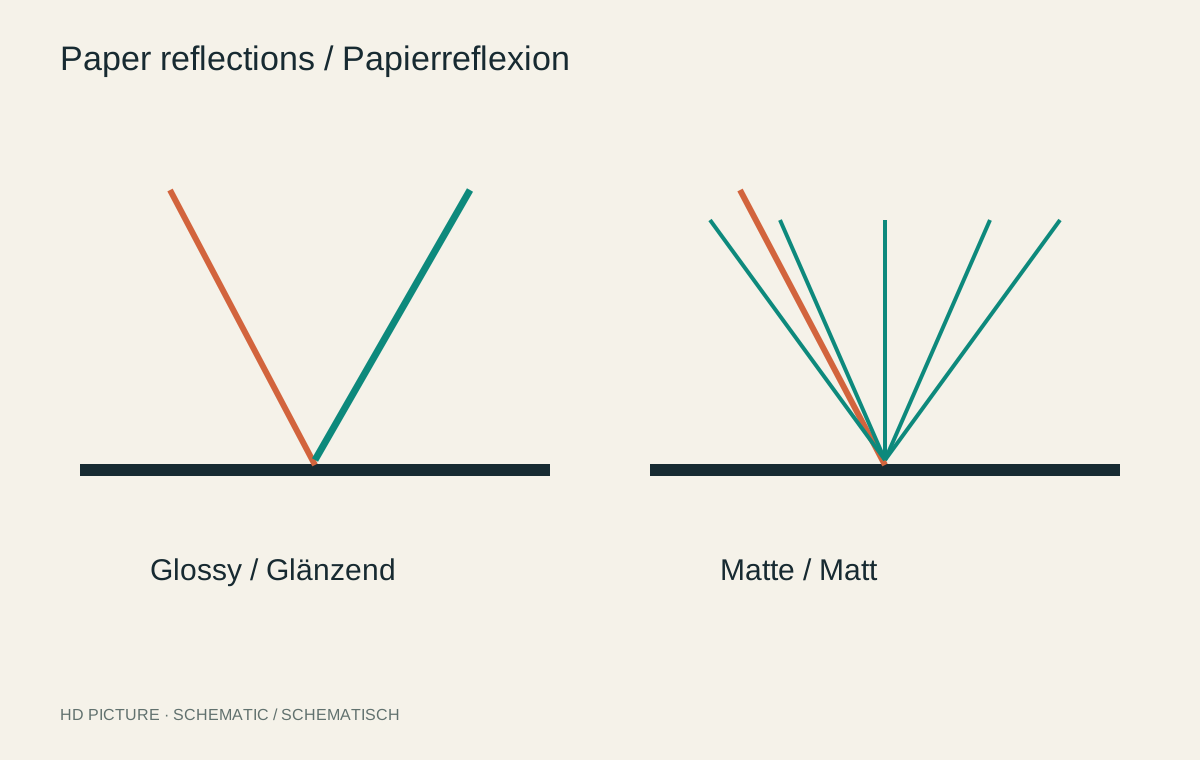
Also assess the lighting at the intended location. A window opposite a glossy surface can obscure detail even when the file has adequate resolution. A proof should therefore be viewed temporarily where the final picture will hang, rather than only lying on a desk.
Relate the source file to the size
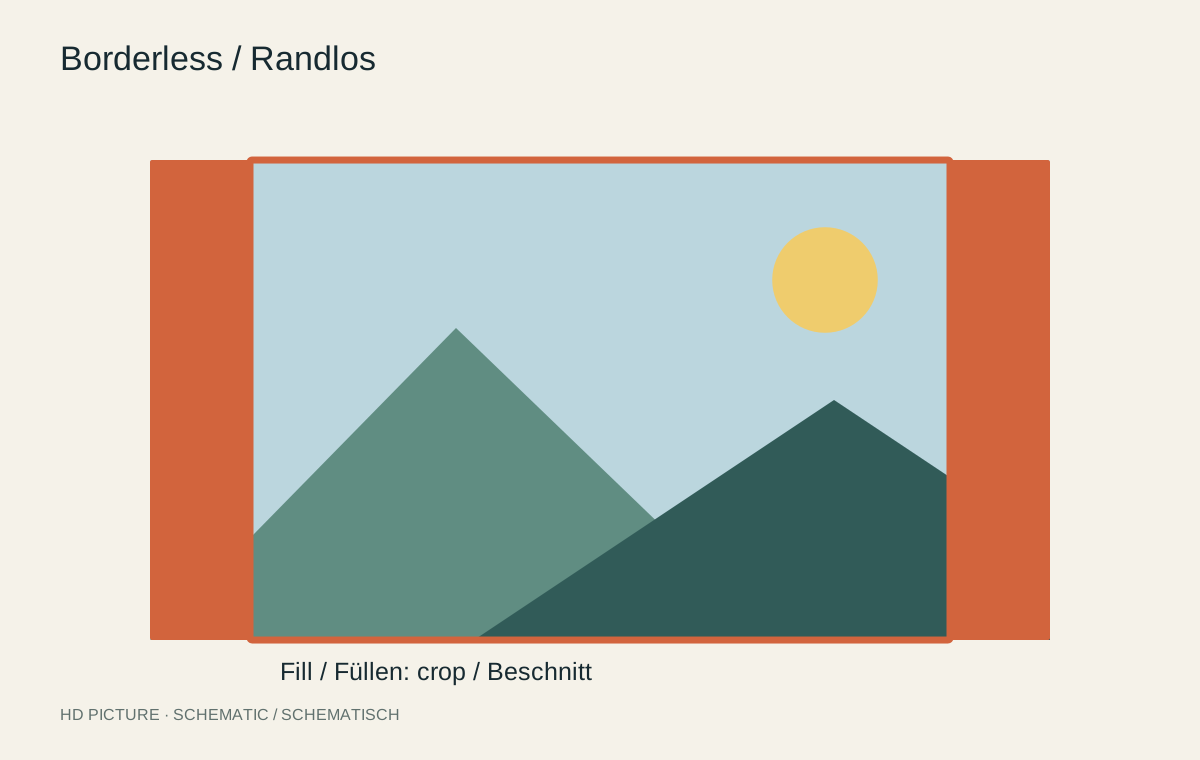
A file 6000 pixels wide provides approximately 152 ppi at a width of 100 cm. Depending on subject and viewing, that may be useful despite being below 300 ppi. Check actual sharpness and cropping, however. A blurred 6000-pixel file is not a dependable source simply because of its dimensions.
Surface material also influences the impression. Fine smooth prints behave differently from strongly textured canvas. Check the specific product requirements and compare samples rather than relying only on a generic table.
Print a section at final scale
Choose an area containing important details and another with smooth regions. Print both at the scale they will have in the large picture. A reduced whole-image preview shows composition but not final detail. Label the proof with scale and version.
View it first from the intended distance, then closer. Look for artificial enlargement textures, sharpening fringes and overly dark shadows. If the proof is unconvincing, reduce the size or choose another picture. A slightly smaller, clearly readable image may work better than a large surface with obvious quality problems.