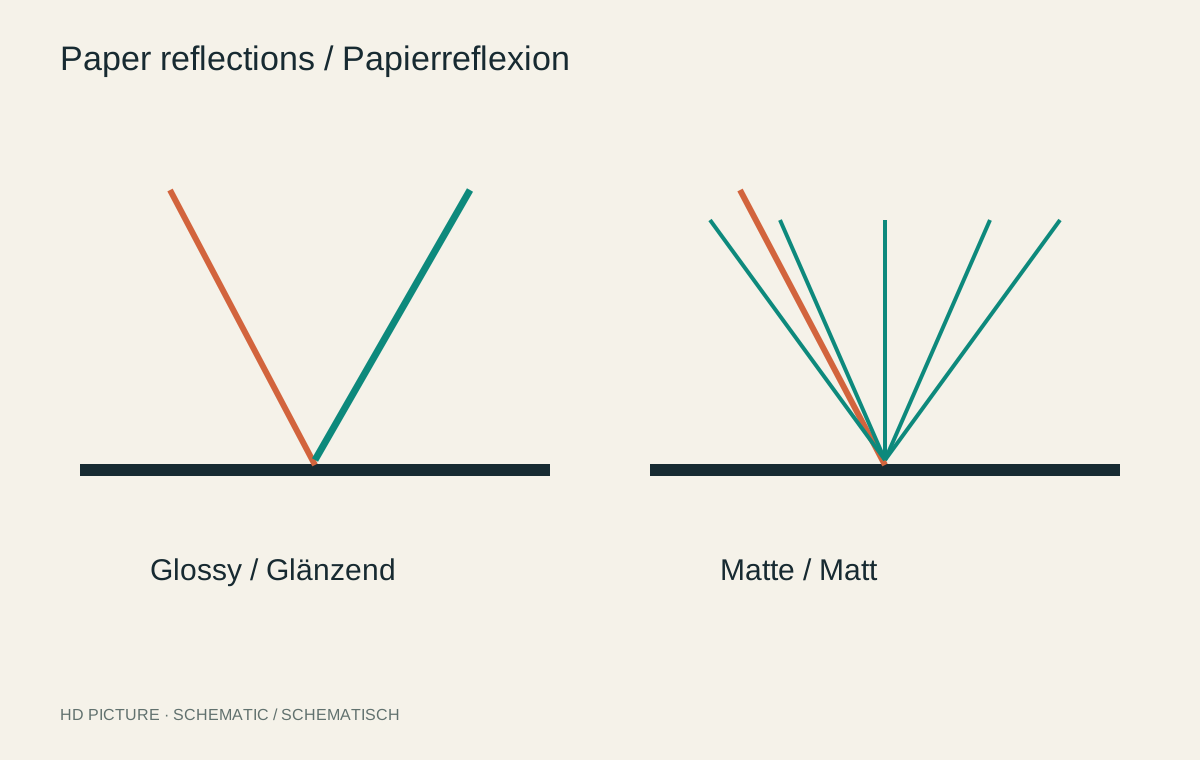
A framed photograph can look very different under different lighting. A lamp directly opposite may reflect in the middle of the image, while weak illumination hides dark detail. The useful arrangement depends on surface, location and viewing direction. The brightest possible spotlight is therefore not automatically the best choice.
Begin from the normal viewing position
Stand where the picture will normally be viewed. Change the lamp position or angle and watch reflections before planning permanent installation. Small changes can help with glossy surfaces. Check different eye heights when both adults and children will view the photograph.
Look for reasonably even illumination across the image. A narrow beam may emphasize the centre while leaving corners dark. That may suit a deliberate display, but makes neutral viewing of an evenly detailed photograph harder.
Consider colour and surroundings together
A very warm lamp can make neutral image areas appear yellowish. Differently coloured light sources in the same room complicate judgement further. Compare the photograph under its intended illumination rather than only in daylight by a window.
Wall colour also affects the impression. A strongly coloured background or reflective objects beside the frame may distract. Change the surroundings before permanently correcting the photograph toward an opposing colour. Otherwise, the print may look wrong in another location.
Limit exposure duration
Light damage can accumulate over time. Particularly sensitive or irreplaceable originals should not receive continuous strong illumination. Displaying a good reproduction while storing the original protectively may be appropriate. UV filtering alone does not remove every light-related risk.
Use illumination when needed, through a switch or suitable timer, for example. Avoid direct sun and unnecessary heat at the picture. Acceptable exposure depends on photographic material; one lifespan figure for all photographs would be misleading.
Record a change
Photograph the finished arrangement and record the light position. This helps restore it after moving or redecorating. Such documentation does not replace precise colour measurement, but helps identify major environmental changes.
Occasionally check whether new furniture or another lamp introduces reflections. The image file remains unchanged while the room evolves. A small presentation adjustment is often the more useful solution.