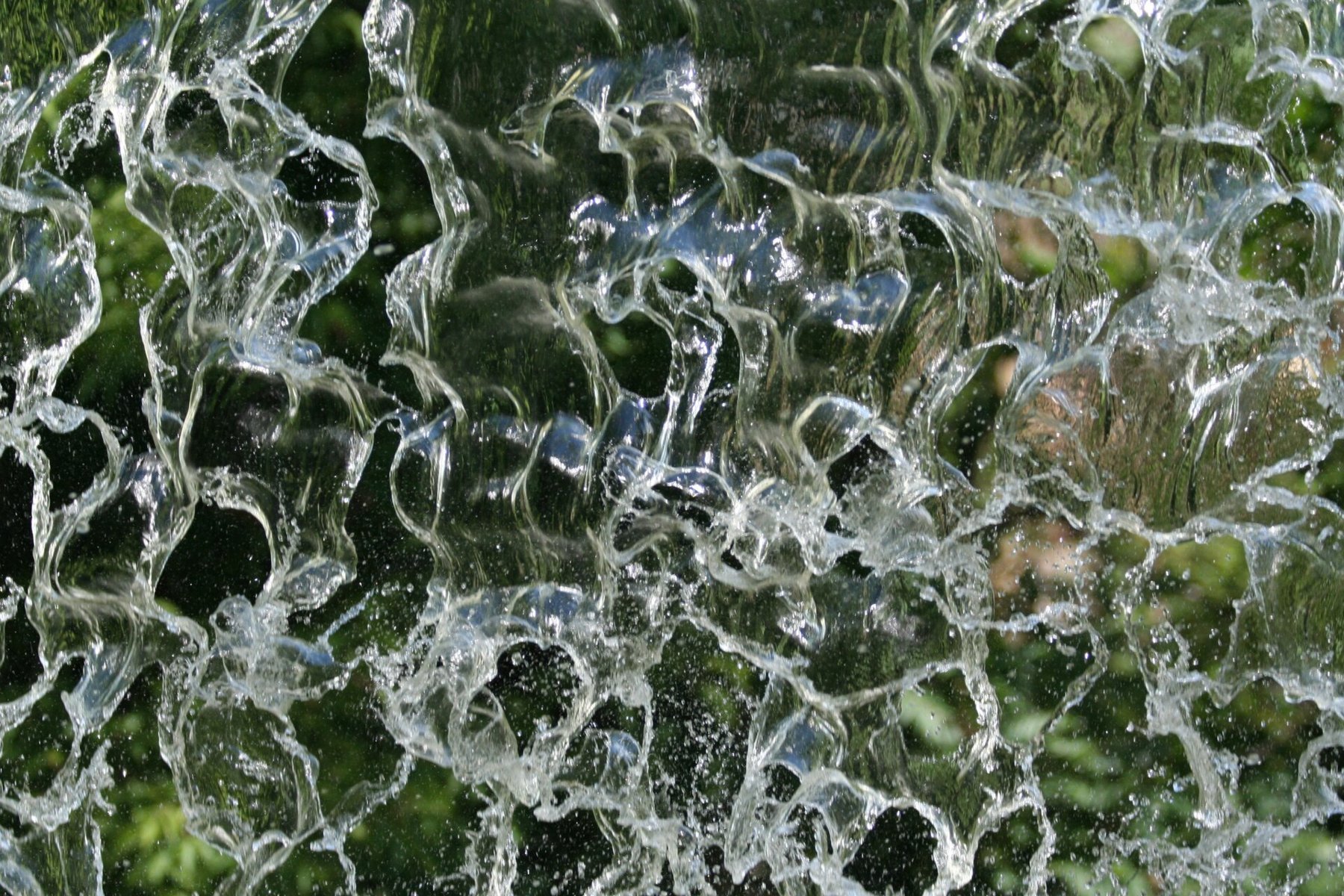
A walking person and a jumping dog do not need the same shutter speed. Even the same subject travelling at the same speed can look sharp in one photograph and blurred in another. What matters is how far its image moves across the sensor during the exposure. Choose the time for the appearance you want, then inspect the moving details rather than only the overall impression on a small screen.
Why one number is not enough
Movement across your line of sight travels visibly through the frame. A subject coming directly towards you mainly changes size and distance instead. Autofocus may become the limiting factor even when edges barely smear sideways. Individual body parts differ too: a runner’s torso may look clear while hands and shoes leave long trails.
Tighter framing enlarges movement in the finished photograph. Moving closer or zooming in can make a previously adequate exposure too long. A heavy crop afterwards has a similar effect. Judge sharpness at roughly the size in which you intend to use the photograph.
A short test sequence
For a walking person, 1/250 second can be a starting point; for a fast run, try 1/1000 second. These are test settings, not guarantees. Photograph a repeatable movement at the chosen time and then at half that duration. Changing from 1/250 to 1/500 second halves the distance travelled during the exposure.
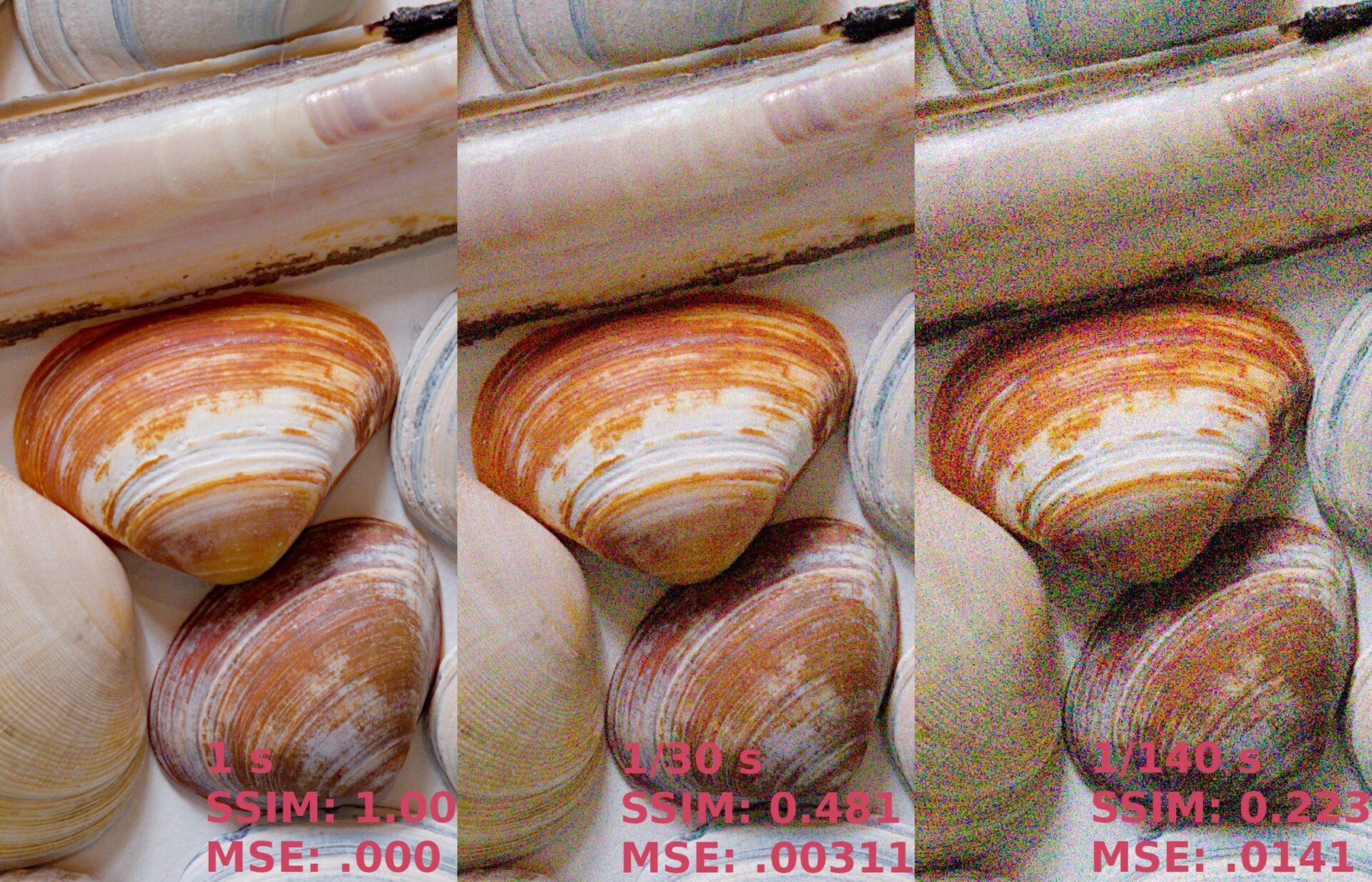
Use shutter priority, usually S or Tv, for this comparison. Check whether the camera can still select the required aperture. If the lens is already fully open, ISO must rise under unchanged light or the picture becomes darker. Auto ISO can provide that adjustment until it reaches its configured ceiling. A slightly grainy but sharp face is often more useful than a smooth, smeared one.
A runner in front of a wall
Imagine a person running across a brick wall. At 1/125 second, the mortar lines are clear while the face and hands leave traces. A tripod would change little because the camera has already recorded the wall steadily. Shorten the exposure to 1/500 second and maintain comparable brightness with a suitable aperture or ISO adjustment. An exposure four times shorter reduces the distance travelled during capture to one quarter, provided the movement stays the same.
If the same person runs toward you, sideways smearing may be less obvious while autofocus faces a greater challenge. A soft person in front of a sharp wall could also mean that focus remained on the wall. Inspect several frames: if sharpness consistently lies behind the person, investigate tracking. If the person forms a recognizable streak within one frame, shutter speed remains an important place to start.
Also judge the photograph at its planned size. A small print tolerates different details from a tight crop of the face. Record distance, movement direction and output size alongside the shutter speed when you want to compare similar situations later.
Movement can remain visible
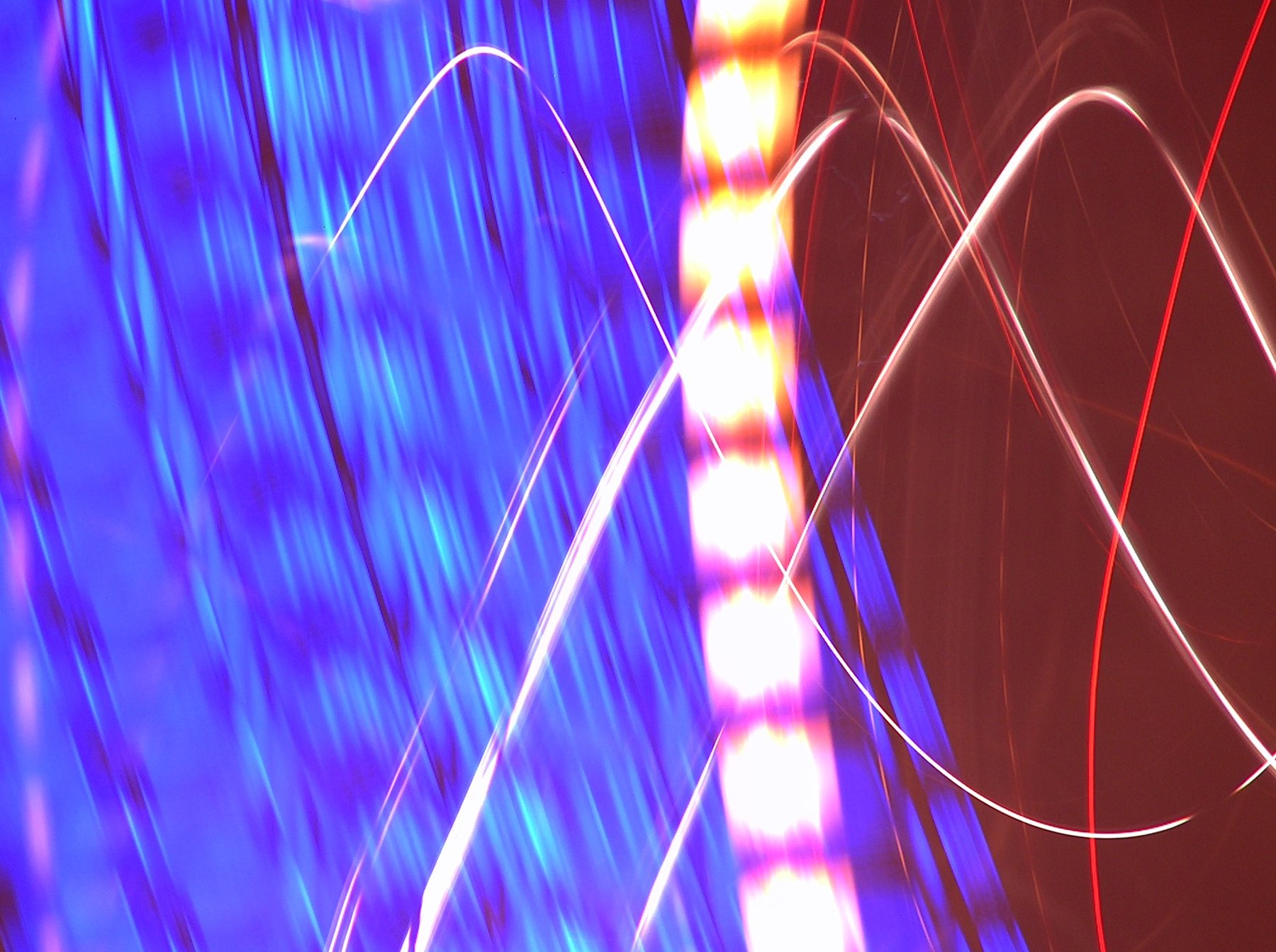
Freezing everything is not always the aim. On a moving bicycle, rotating spokes can communicate motion while the frame remains recognizable. Lengthen the exposure gradually and keep a clear visual reference. A tripod stabilizes the surroundings but does not stop the subject. Deliberately distinguish a still background from the moving object instead of automatically trying to remove every trace of blur.