
Photography basics
Camera shake or missed focus
Use edge patterns, focus planes and a controlled comparison to find out why a photograph looks soft.
28 articles
Understand focus, exposure and color before making the next photograph.
Photography basics
Use edge patterns, focus planes and a controlled comparison to find out why a photograph looks soft.

Photography basics
Direction, distance and framing determine how short an exposure needs to be.

Photography basics
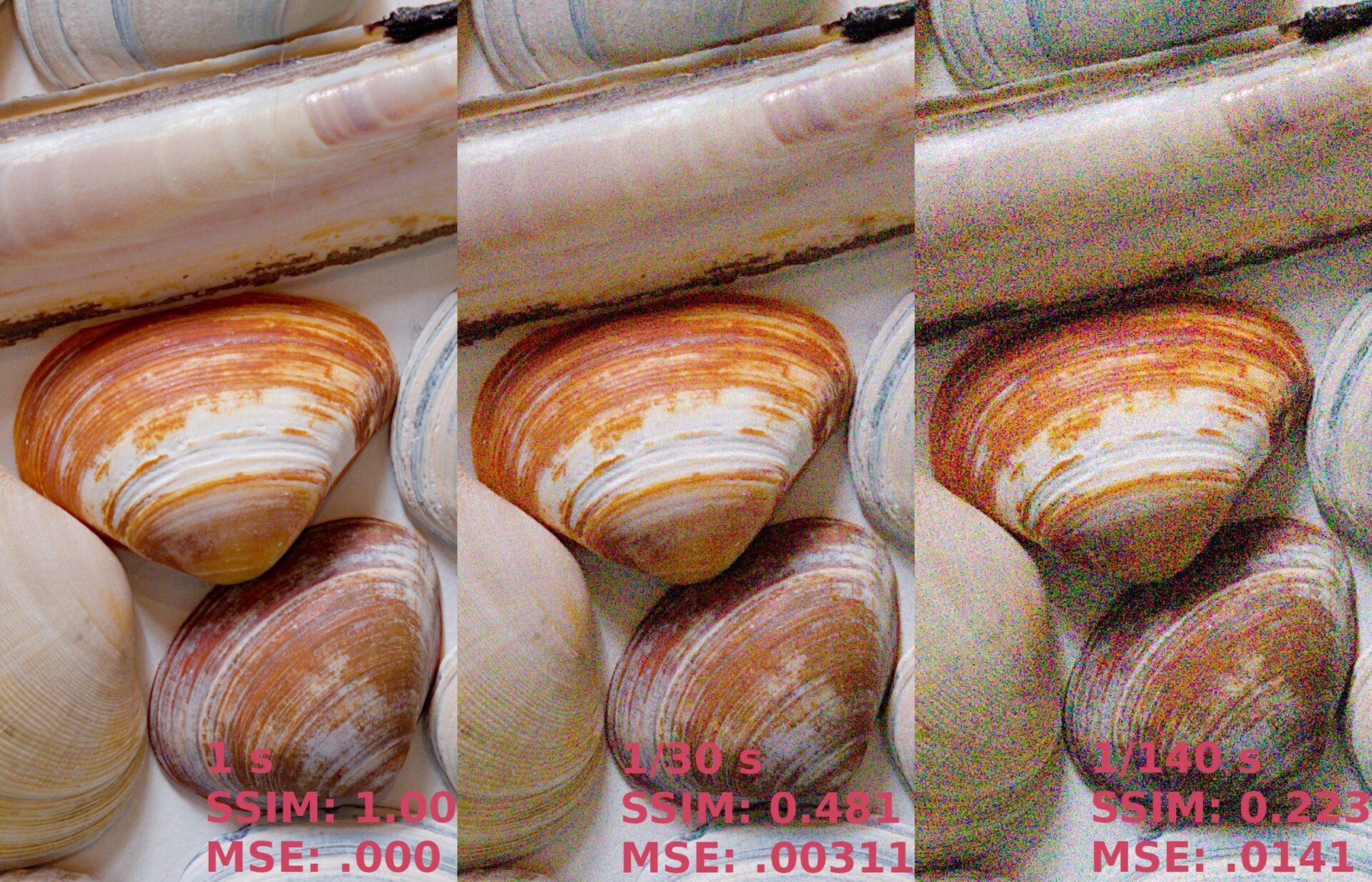
Aperture is only one part of deciding how much of a subject appears sharp.
Photography basics
ISO helps accommodate short exposures, but cannot replace light reaching the sensor.
Photography basics
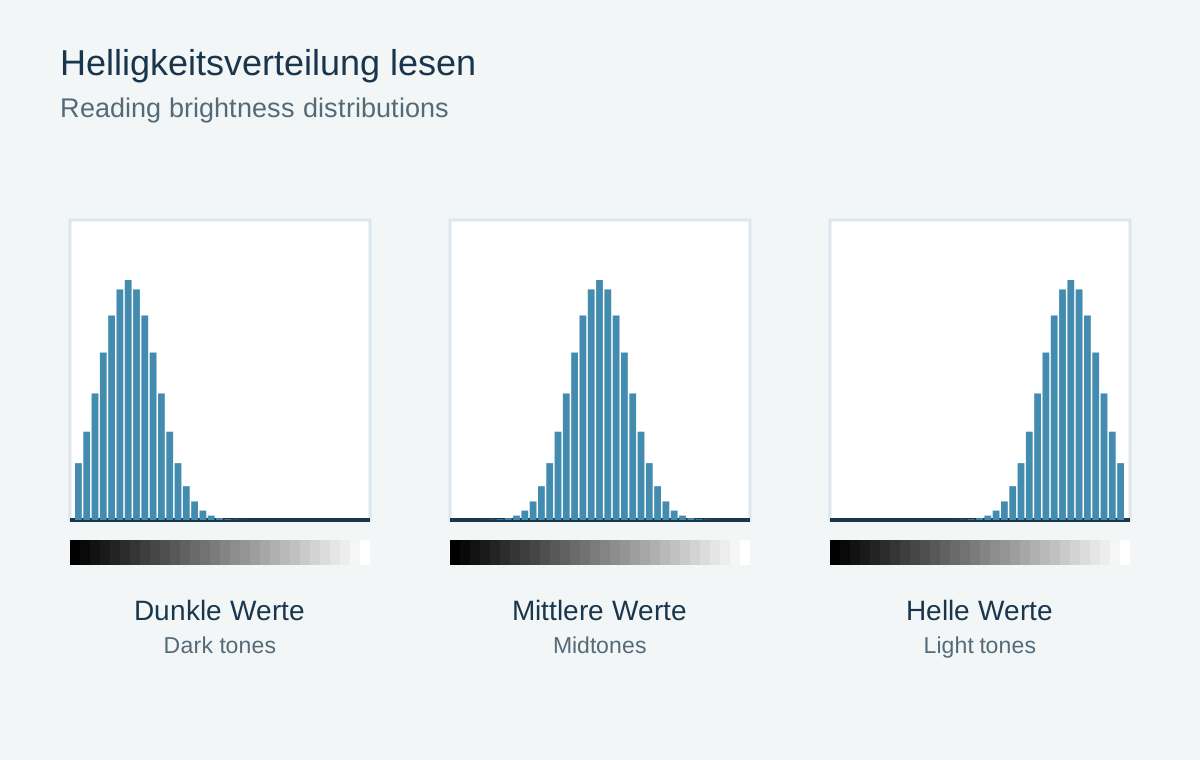
A histogram describes the distribution of tones; it does not grade your photograph.
Photography basics
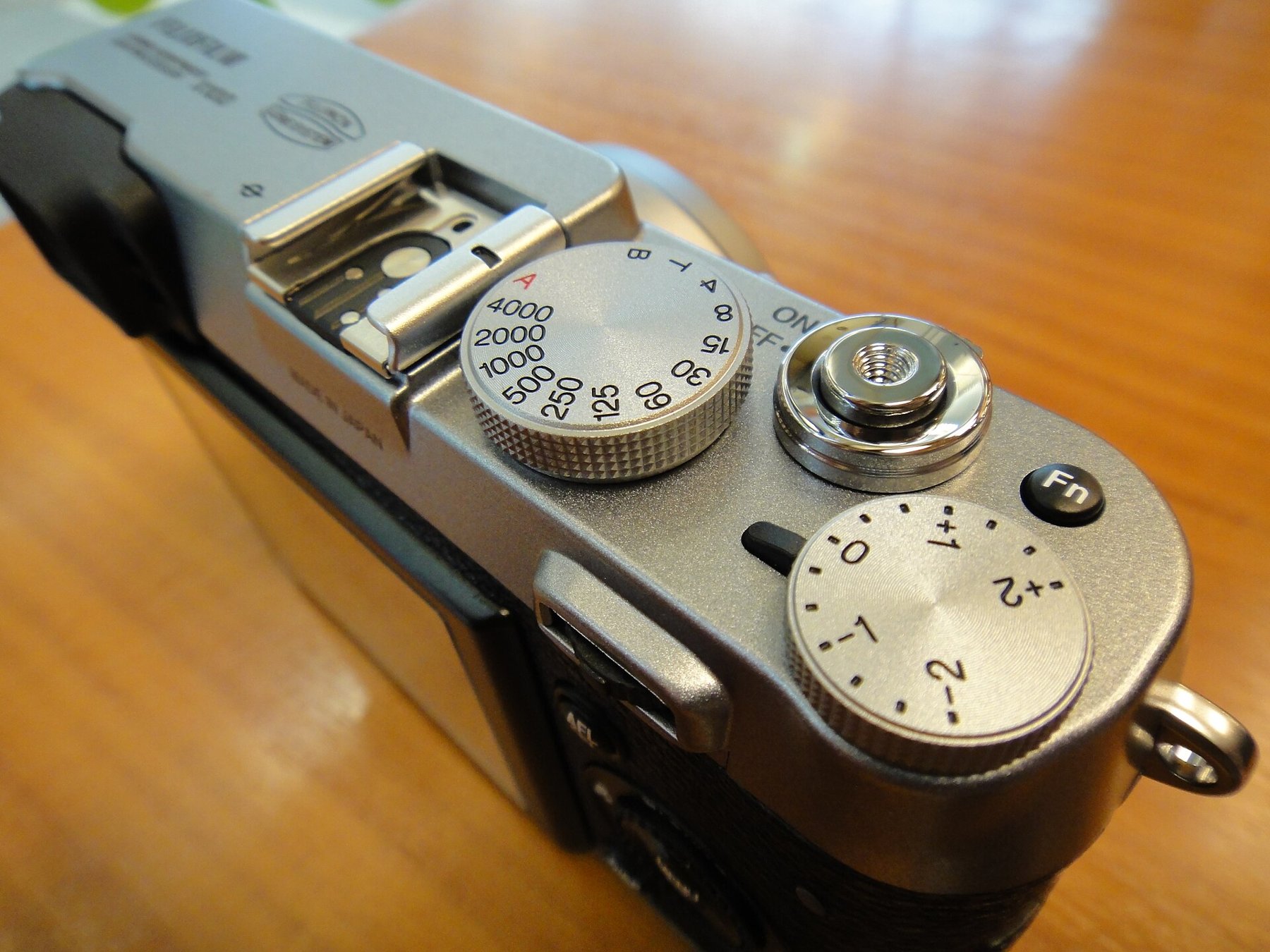
Use plus and minus to adjust the meter’s decision without abandoning automatic exposure.

Photography basics
A face in front of a bright window needs a deliberate metering priority.
Photography basics
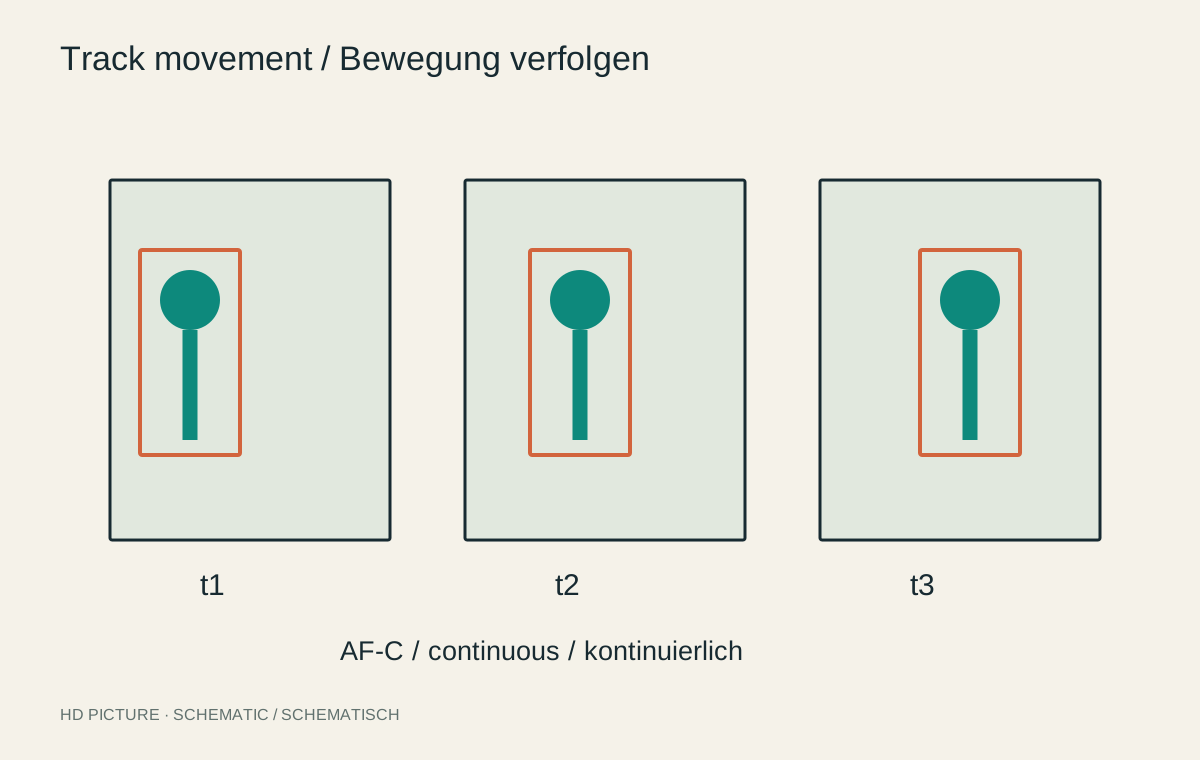
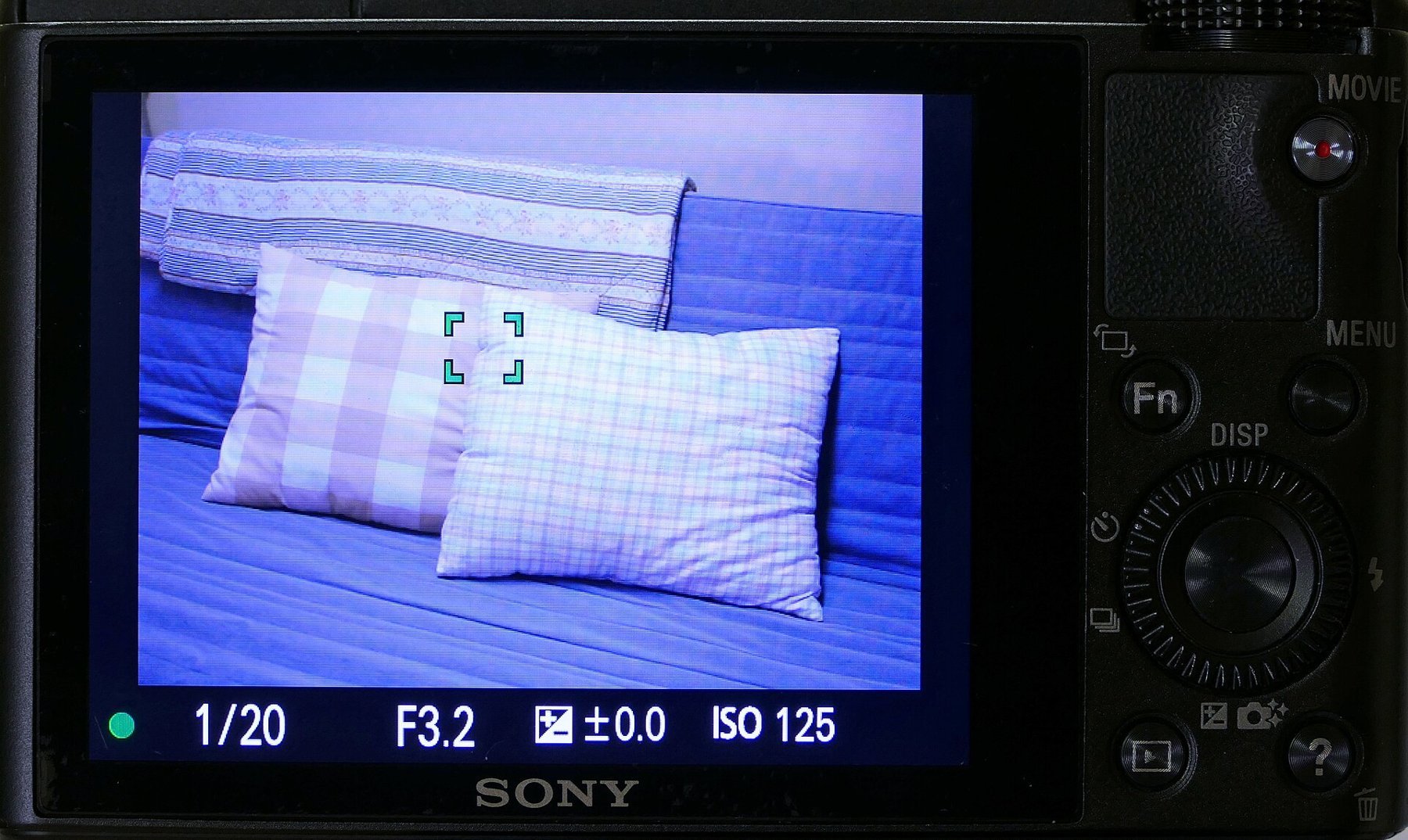
Focus mode and focus area solve different problems. Separating them prevents many unsuccessful attempts.
Photography basics
Choose the detail that must be sharp and restrict the search when foreground objects interfere.
Photography basics
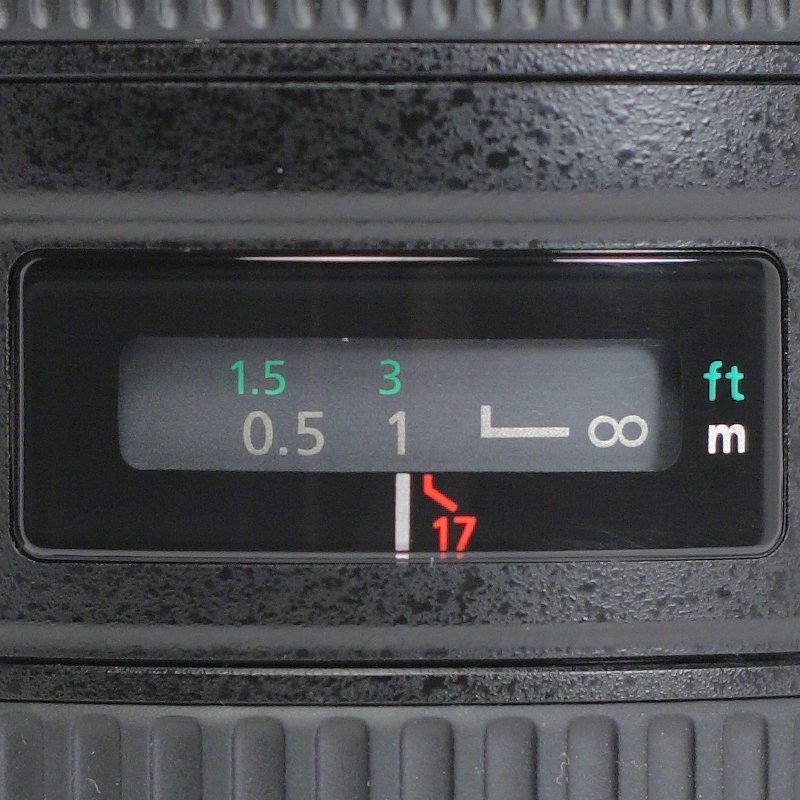
Minimum focusing distance and working distance describe two different measurements.

Photography basics
Focal length selects framing; camera position changes the relative size of near and distant objects.
Photography basics
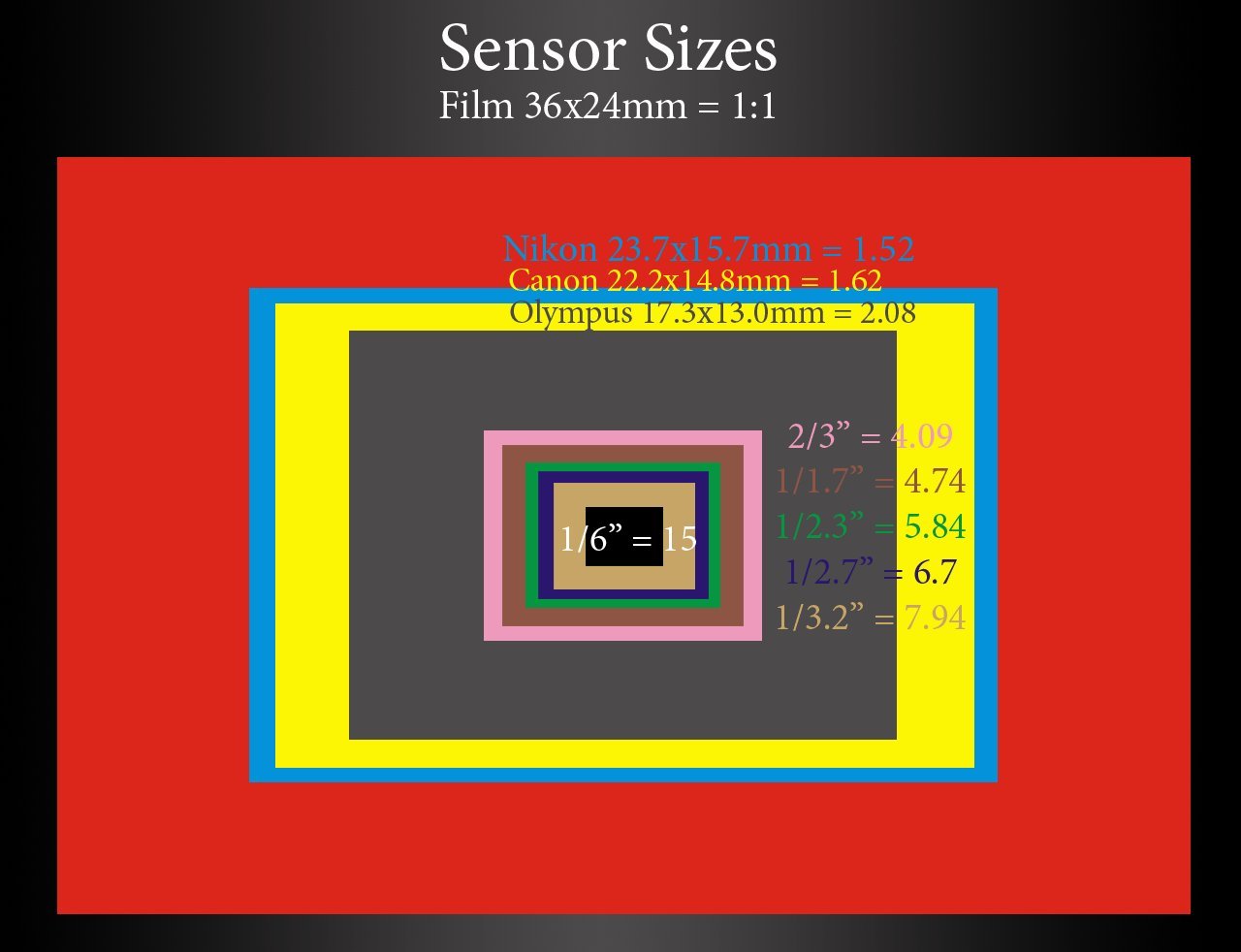
Crop factor compares angles of view. It does not physically change the lens’s focal length.
Photography basics
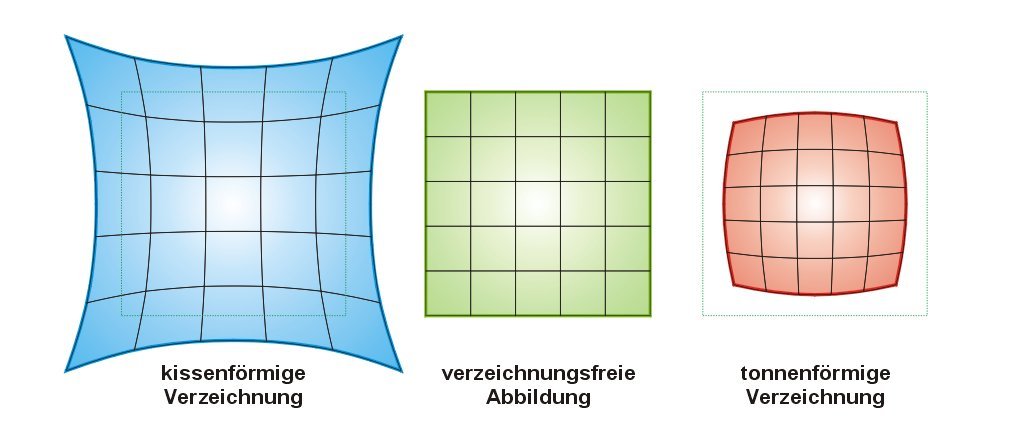
Curved lines, converging verticals and stretched edge subjects have different causes.
Photography basics
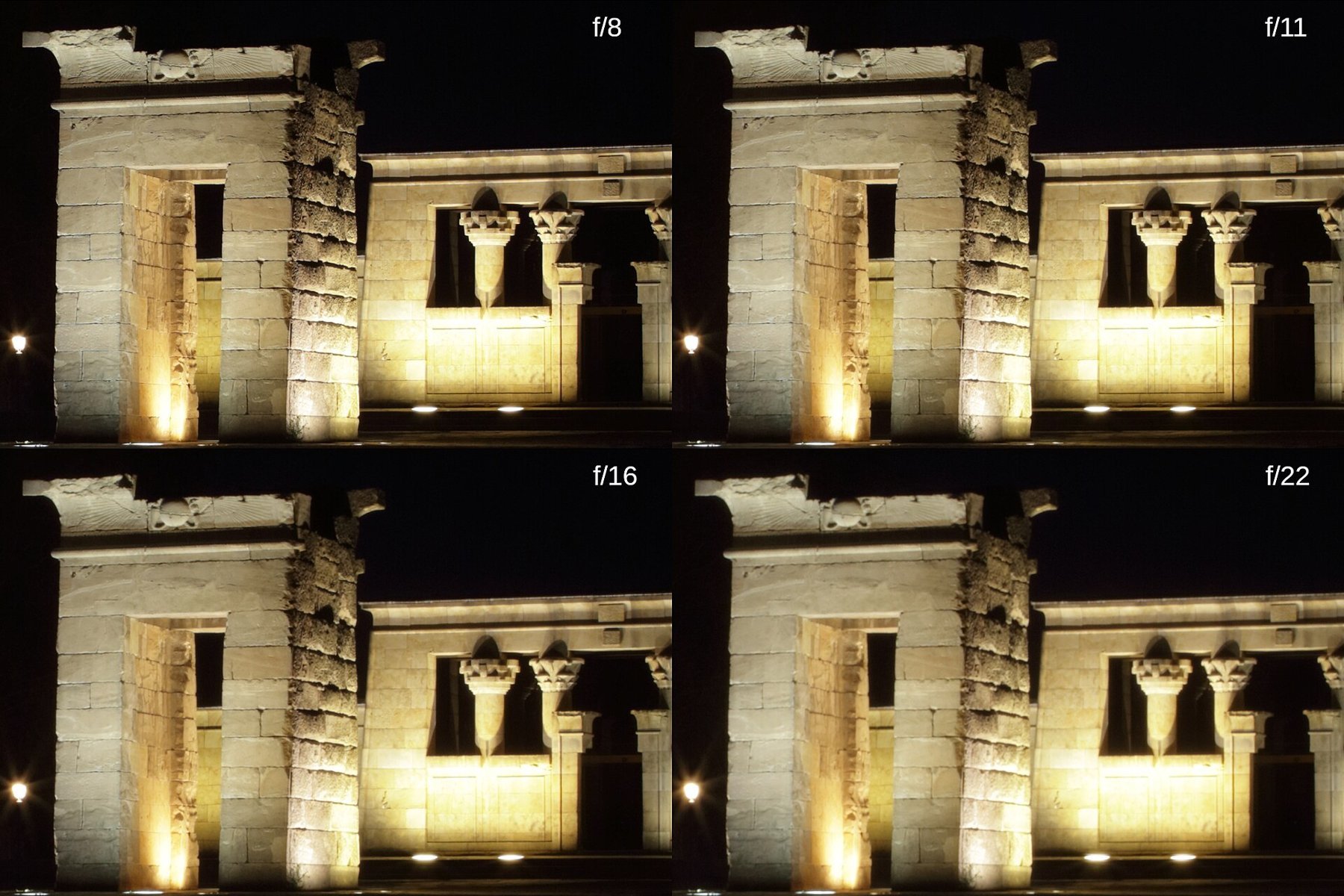
Greater depth of field and the finest detail rendering are not always the same thing.
Photography basics
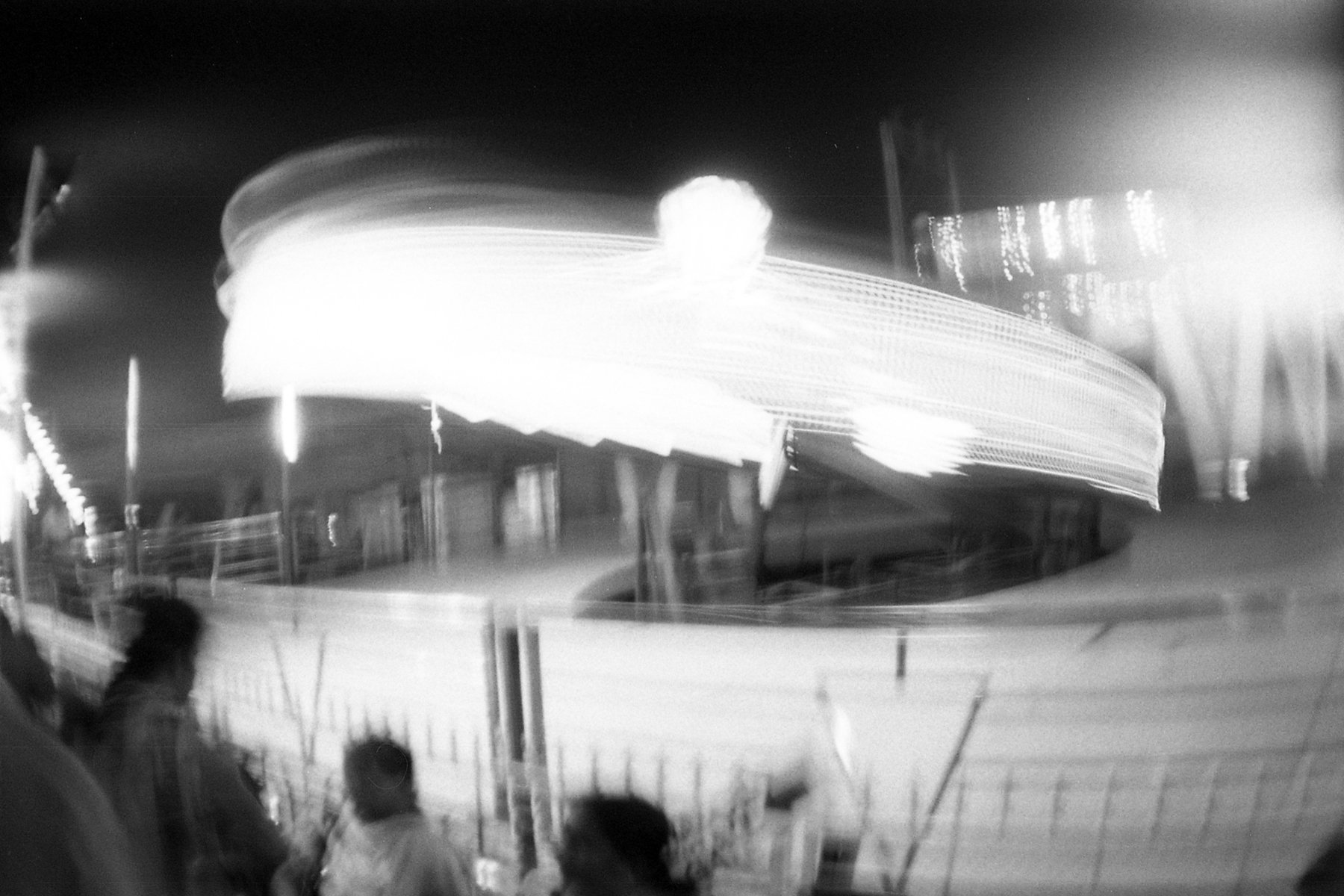
A long exposure can describe movement rather than merely record it as a mistake.
Photography basics
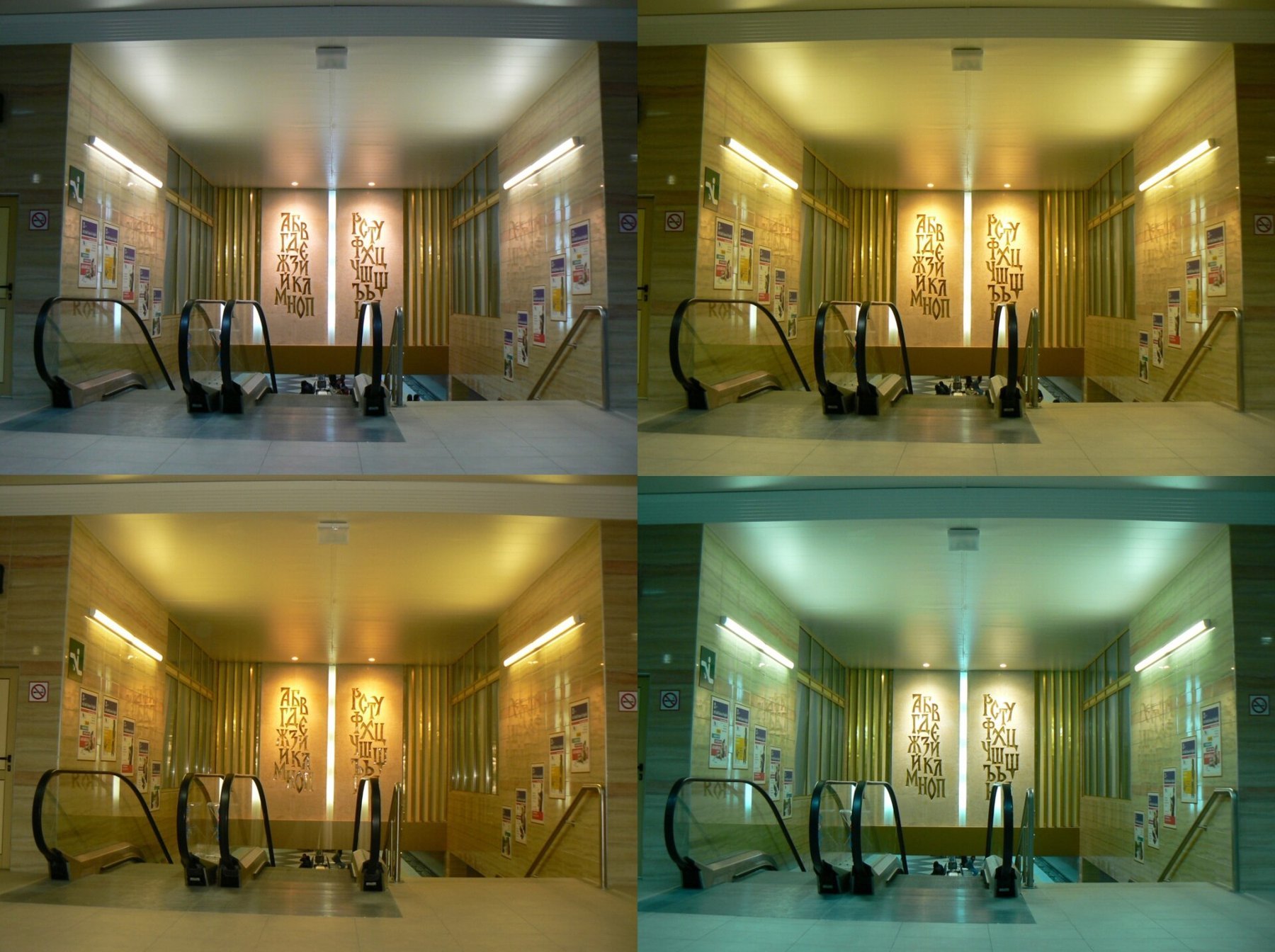
One white-balance setting cannot always neutralize differently lit areas at the same time.

Photography basics
Dynamic range explains why bright windows and dark interiors can be difficult to fit into one exposure.

Photography basics
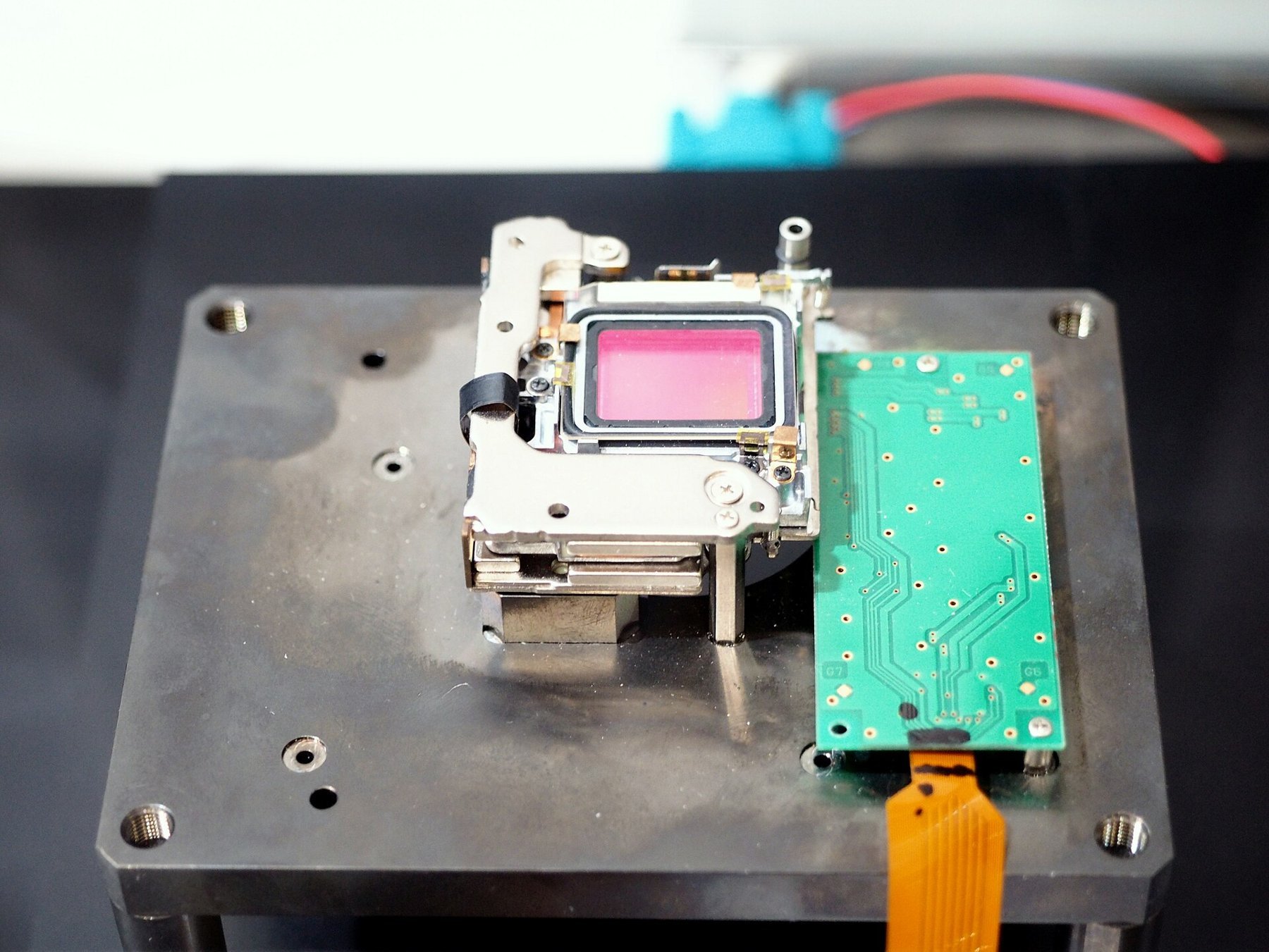
Choose capture format for editing, delivery and storage needs rather than a blanket quality judgement.
Photography basics
Stabilization reduces camera movement, but its limits depend on the subject and your handling.
Photography basics
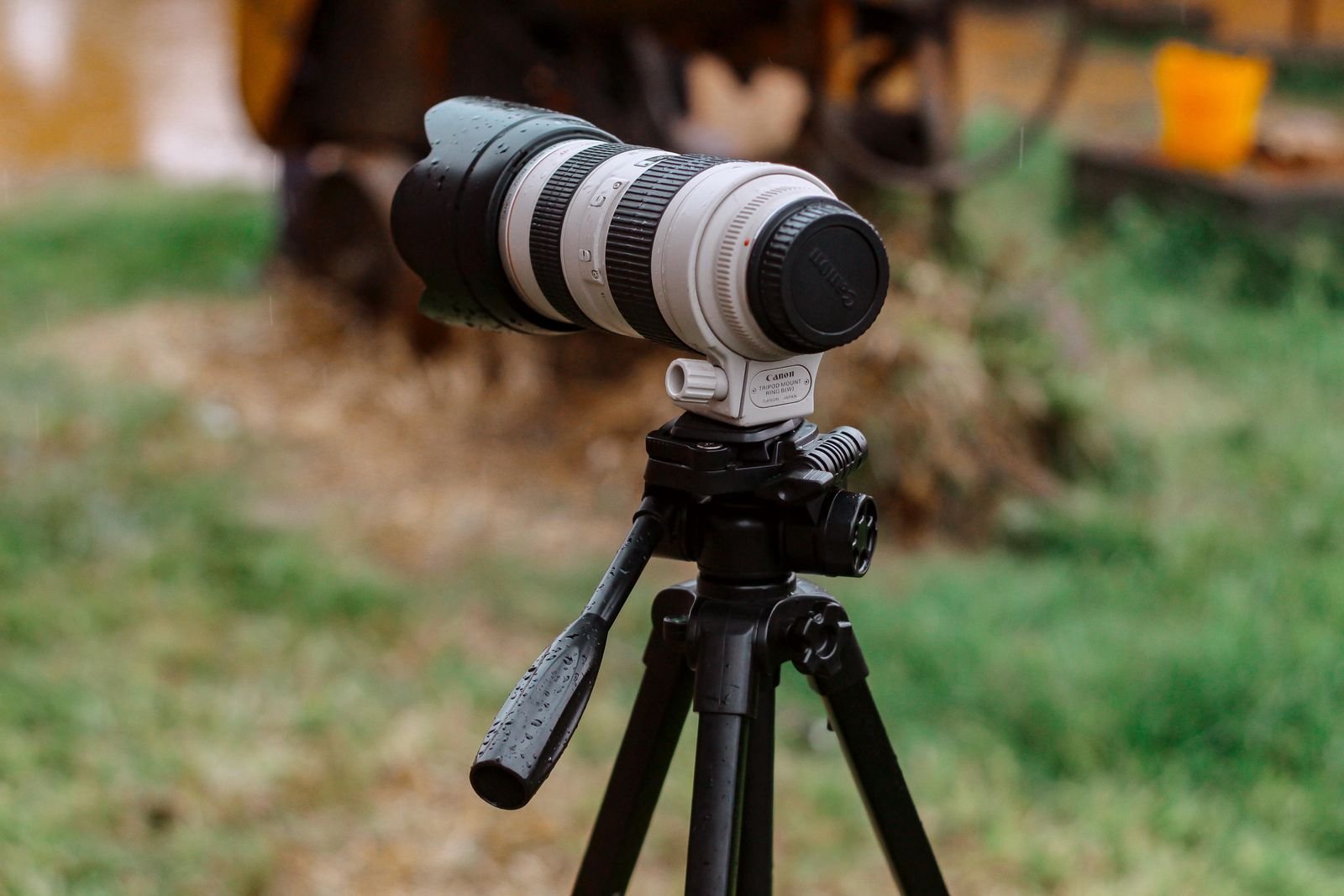
A tripod supports the camera. Sharp long exposures also require a steady surface, head and release.
Photography basics
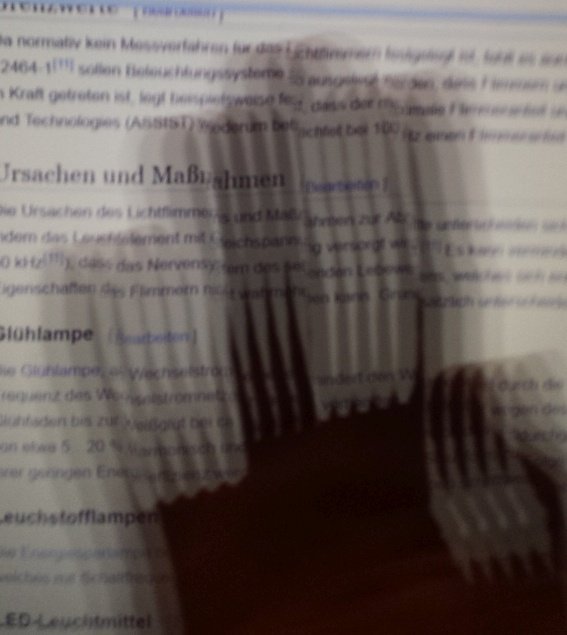
Stripes under LED light can result from the interaction between flicker and sensor readout.
Photography basics
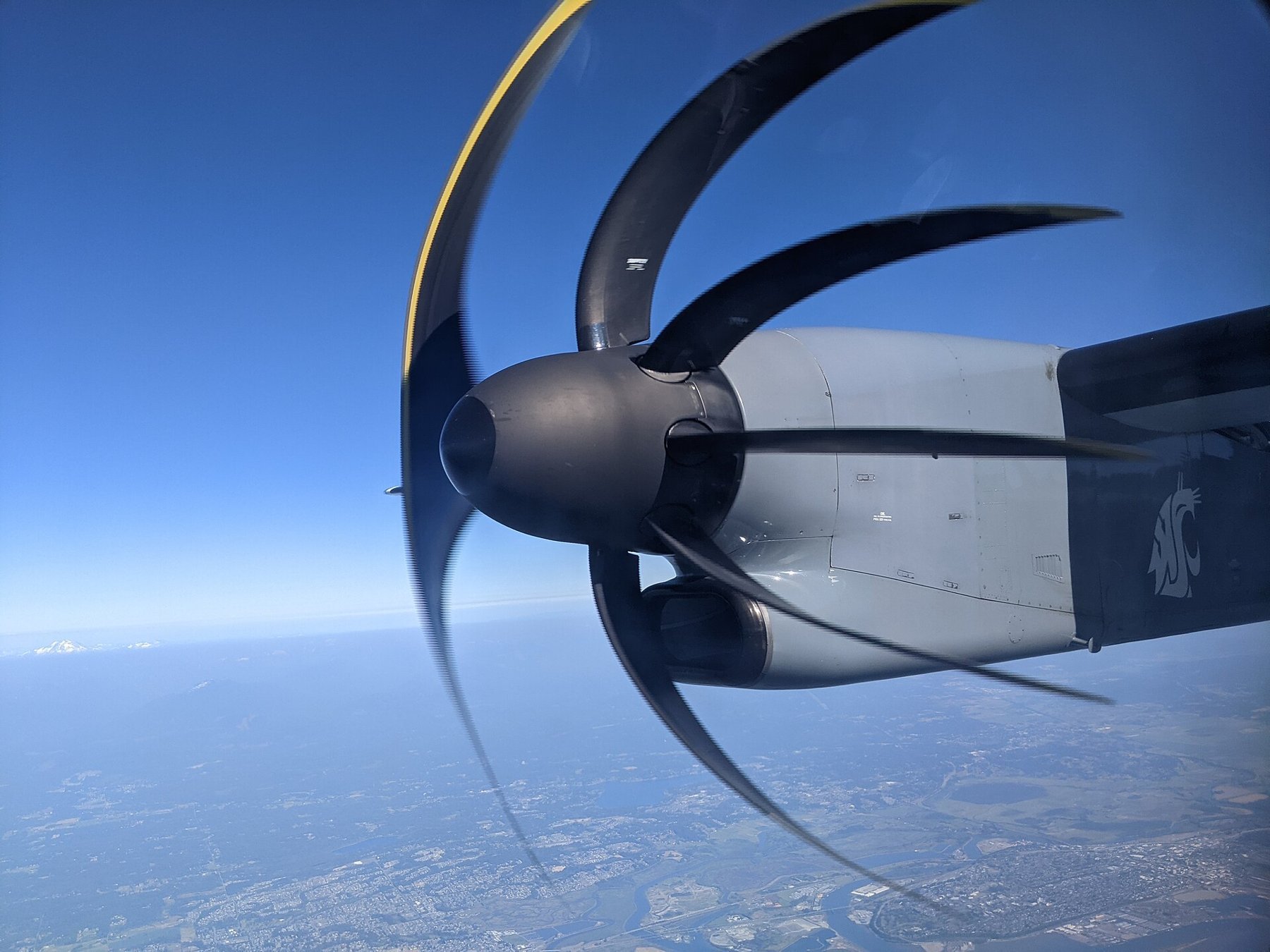
A short exposure does not automatically eliminate geometric distortion from slow sensor readout.
Photography basics
Flash and available light make two contributions that you can assess separately.
Photography basics
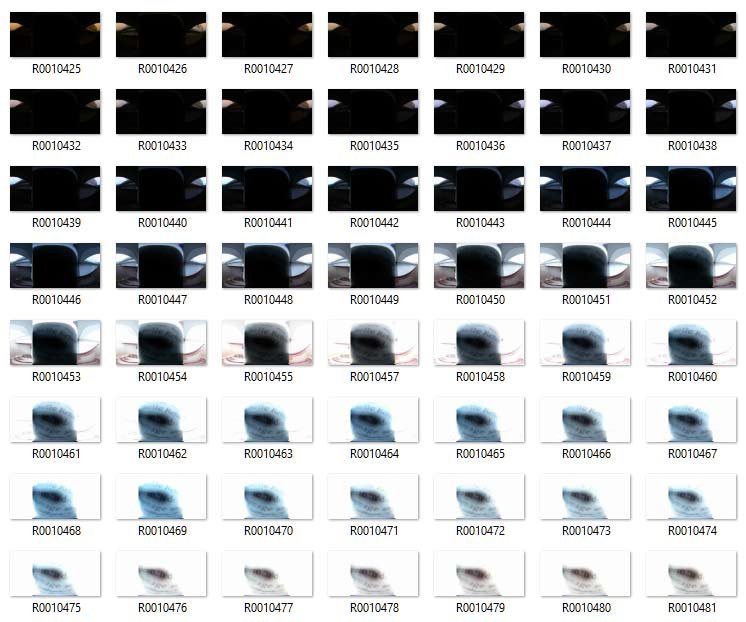
An exposure bracket is deliberate insurance or material for merging, not a substitute for inspecting the scene.
Photography basics
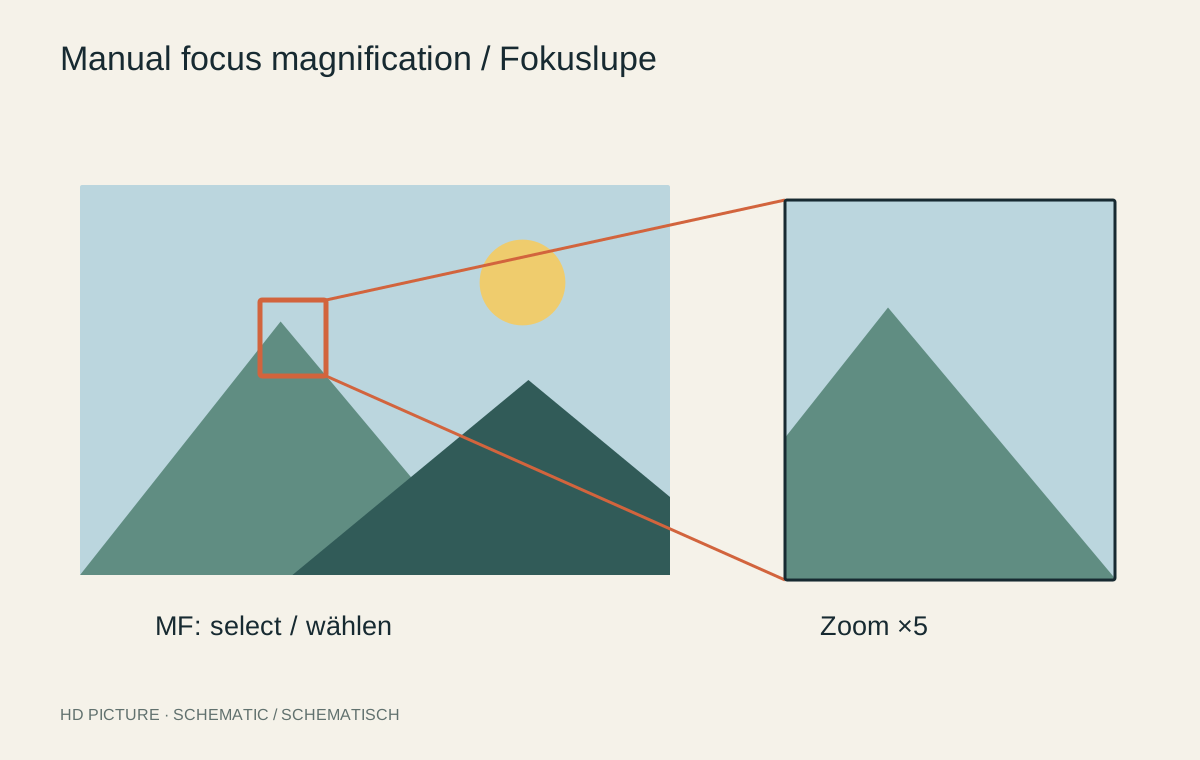
Magnified live view reveals small focus changes that disappear in the full composition.
Photography basics
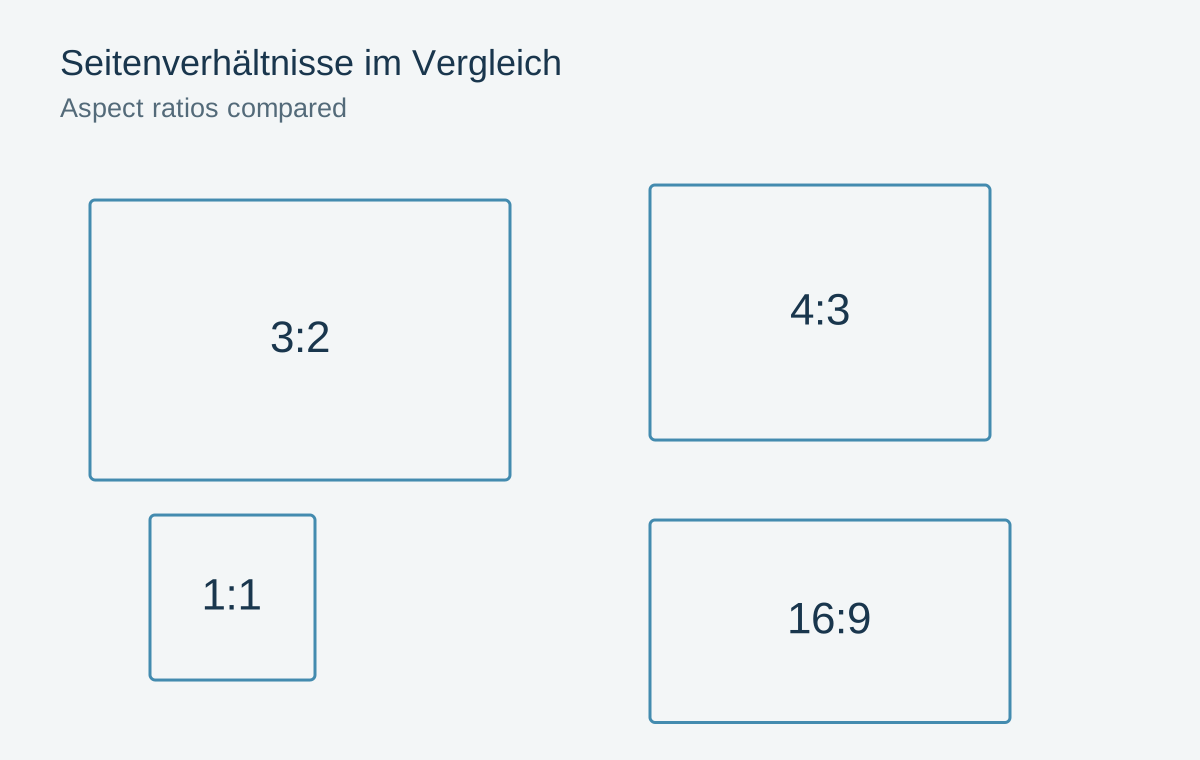
Aspect ratio determines how much space remains beside and above your subject.
Photography basics
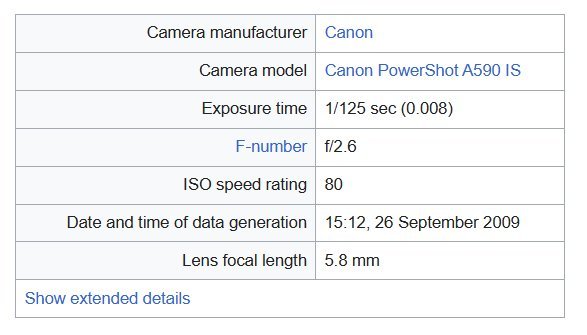
Capture data explains settings, but not every decision behind a photograph.

Photography basics
Remove loose particles first and clean glass only as much as necessary.


_(4.8-27mm)_(AP4M0490)_(7095154623).jpg)


.jpg)


.jpg)