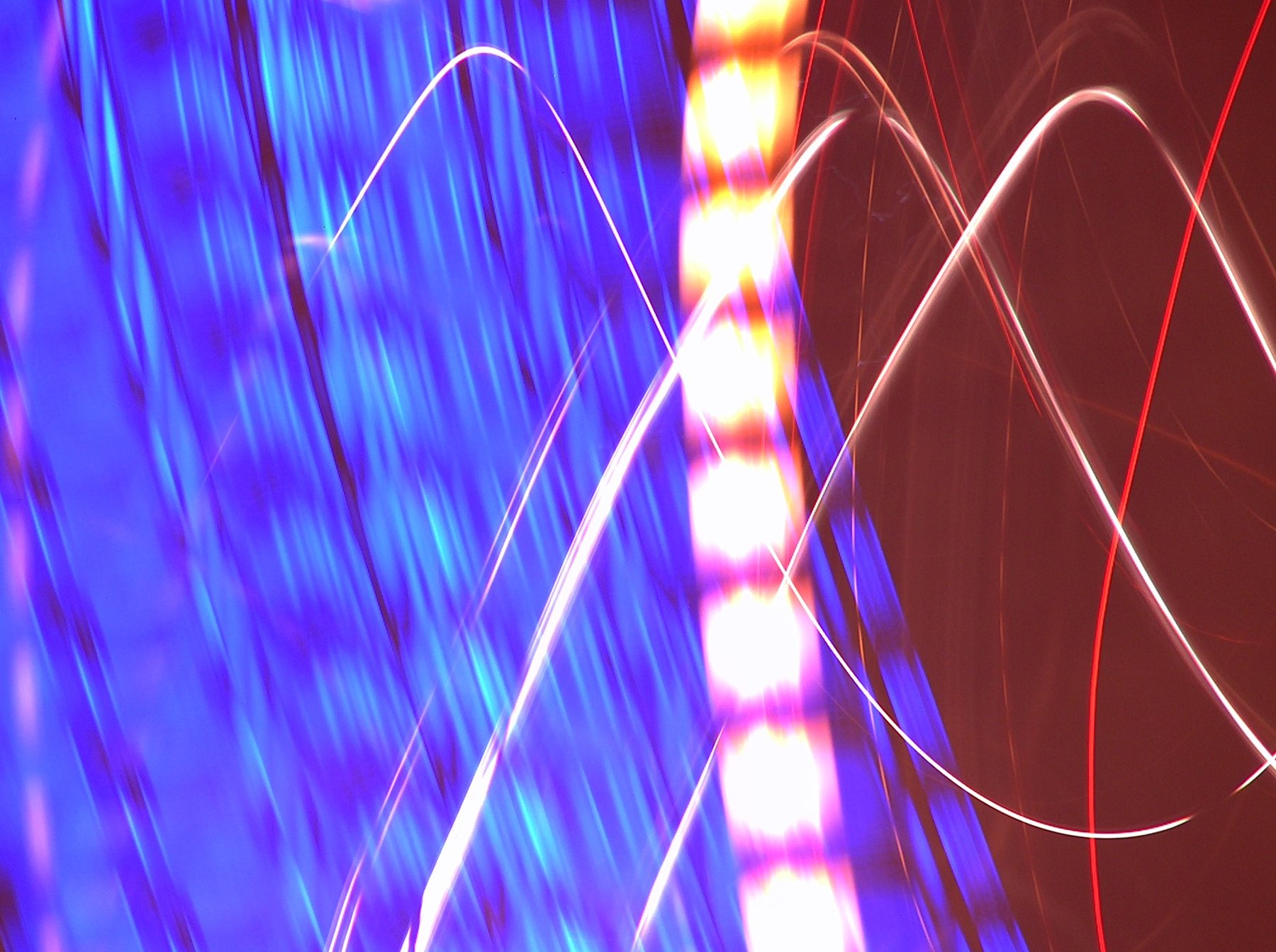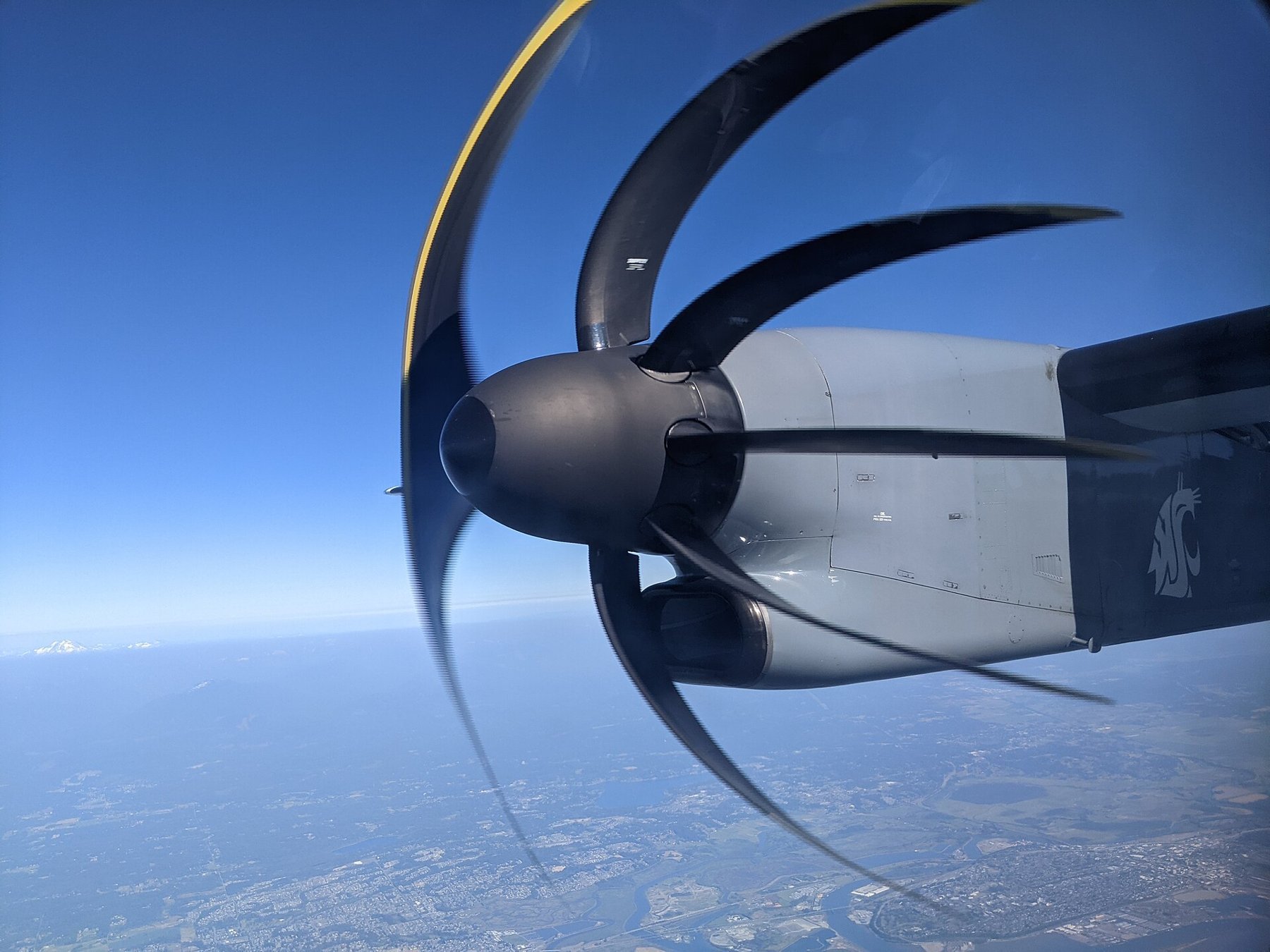
A straight pole appears tilted even though each part looks sharp. A fast-spinning propeller seems bent. Such shapes can result from rolling shutter: the image is not captured everywhere at the same instant. As readout progresses across the sensor, the subject or camera keeps moving. The finished photograph therefore combines slightly different moments.
Distinguish exposure time from readout time
The selected shutter speed describes how long an image area gathers light. It does not automatically tell you how quickly the whole sensor is read from beginning to end. A photograph at 1/2000 second can therefore contain little motion blur yet still show skewed shapes. An even shorter exposure does not necessarily remove that spatial time offset.
It becomes especially conspicuous with fast movement across the frame or rapid panning. Posts photographed from a moving vehicle can also be affected. A stationary subject with a steady camera often shows no problem. The artifact therefore depends on both camera technology and the particular movement.
A revealing comparison
Test a set of vertical lines with a slow and then faster pan. Where available, compare electronic and mechanical shutter in good daylight. This avoids additional flicker bands complicating the assessment. Look at the shape of the lines rather than only their sharpness.
A mechanical focal-plane shutter does not capture fast movement perfectly simultaneously under all conditions either. On many cameras, however, its effective traversal is faster than a slow electronic readout. Other sensors read much faster or use a global shutter. Do not generalize one model’s result to every mirrorless camera.
Adapt the photograph
Reduce unnecessarily rapid pans, select another shutter type when appropriate and test the actual action beforehand. Greater distance or less tight framing can reduce movement across the image. When shapes must be accurate, inspect wheels, bats and straight building edges particularly carefully. A later global perspective adjustment cannot reliably restore complex bent moving parts to their original form.